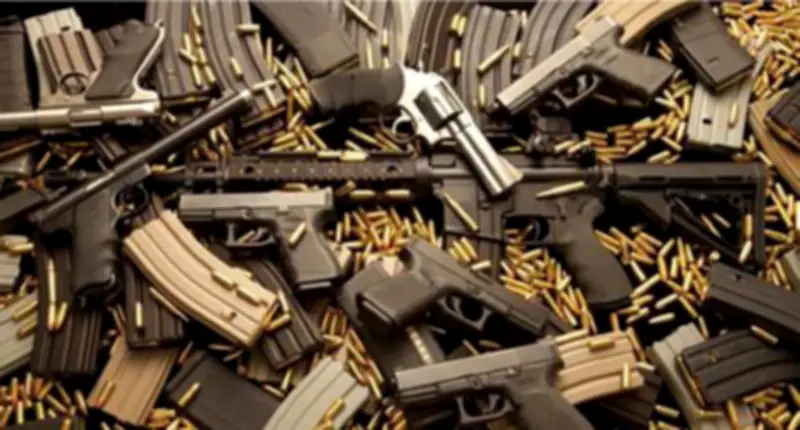
The United Nations has issued a warning that weapons looted during the 2011 Libyan conflict continue to circulate across Africa and are now in the hands of extremist groups operating in Nigeria and neighboring Sahel states.
UN Official Raises Alarm
Izumi Nakamitsu, UN Under-Secretary-General and High Representative for Disarmament Affairs, made the statement during discussions on the global spread of illicit firearms at UN Headquarters in New York. She emphasized that the movement of weapons after conflicts end remains a major driver of insecurity long after wars are officially over.
Nakamitsu cited Libya as a key example, stating that weapons looted or diverted during and after the 2011 conflict that ended Muammar Gaddafi's rule later surfaced across the wider Sahel region, including Niger, Burkina Faso, and Nigeria. Some were subsequently found in the hands of extremist groups, illustrating how arms from one conflict can destabilize neighboring countries years later.

Ongoing Threats
The UN official warned that the end of fighting does not mean the end of weapons circulation. Illicit arms continue to fuel violence, crime, and instability across borders. In parts of sub-Saharan Africa, the proliferation of small arms undermines peacebuilding efforts even years after active conflicts have ended.
Weapons retained by armed groups or communities for self-protection can also contribute to renewed violence. Illicit arms are linked to terrorism, human rights abuses, and sexual and gender-based violence. Nakamitsu stressed that this is not just a security issue but also about peacebuilding, human rights, and development.
Modern Trafficking Challenges
Nakamitsu warned that modern trafficking methods, including ghost guns, 3D-printed firearms, and disassembled weapon parts, are making enforcement more difficult for governments. Disassembled weapons or parts are harder to trace when trafficked across borders.
International Efforts
The UN highlighted that member states adopted an action program in 2001 to strengthen national legislation, improve stockpile security, and combat illicit arms trafficking. This was followed by the 2005 International Tracing Instrument designed to standardize marking and tracing of weapons. The organization continues to support countries through technical assistance, policy guidance, and capacity-building programs aimed at improving border security and reducing the diversion of weapons into illegal markets.