UNODC Warns: Illicit Crime Funds Fuel Violent Extremism in Nigeria
The United Nations Office on Drugs and Crime (UNODC) has issued a stark warning, stating that organized crime, illicit cash flows, and corruption are primary drivers of violent extremism in Nigeria. This alarming connection underscores the urgent need for more strategic, coordinated, and adaptive approaches to combat these intertwined threats, which are increasingly enabled by technology.
Interconnection of Drugs, Crime, and Terrorism
Cheikh Toure, the Country Representative of UNODC, emphasized this critical issue during a media briefing in Abuja, held ahead of the launch of the UNODC Nigeria Country Programme for 2026-2030. He expressed deep concern over the evolving landscape of crime, which leverages technology to present both opportunities and challenges in the fight against extremism.
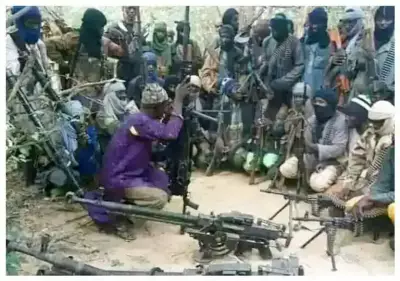
The UNODC has identified that illicit proceeds from criminal activities are being funneled into violent extremist groups, exacerbating security challenges across the nation. This nexus between drugs, crime, and terrorism requires immediate and robust intervention to prevent further destabilization.

UNODC Nigeria Country Programme 2026-2030
The newly launched UNODC Nigeria Country Programme aims to address these complex issues through a multifaceted approach. Key objectives include:
- Strengthening the crime and criminal justice system to uphold the rule of law and expand access to justice.
- Preventing and combating corruption and illicit financial flows to protect institutions, the economy, and citizens.
- Enhancing evidence-based responses to drug production, trafficking, and non-medical use, while tackling related public health challenges such as addiction and HIV.
Toure highlighted that this programme is the first of its kind in Nigeria, designed to foster a more resilient and adaptive framework against organized crime and extremism.
West Africa Knowledge Resources Centre
In addition to the country programme, the UNODC has proposed the establishment of a West Africa knowledge resources centre. This initiative is intended to serve as a hub for information and data on various areas of UNODC operations, facilitating better-informed strategies and collaborations.
The think-tank will bring together a diverse range of stakeholders, including researchers, state and non-state actors, and journalists, to pool expertise and resources in the fight against crime and extremism. This collaborative effort is expected to enhance regional cooperation and knowledge-sharing, ultimately contributing to more effective countermeasures.
As Nigeria grapples with the dual threats of organized crime and violent extremism, the UNODC's initiatives represent a crucial step towards fostering security, justice, and stability in the region.