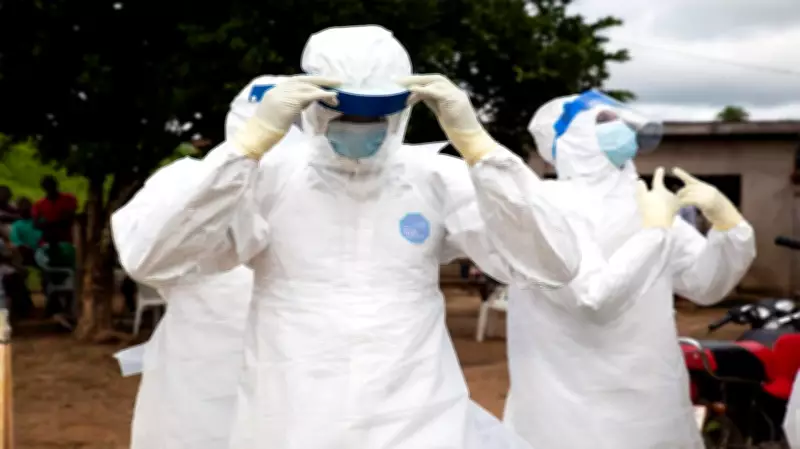
The World Health Organisation (WHO) has reported nearly 1,000 suspected cases of Ebola and 220 deaths in the Democratic Republic of Congo (DRC). The Nigeria Centre for Disease Control and Prevention (NCDC) has warned Nigerians against relying on unverified substances such as bitter kola, salt water, herbs, and seasoning cubes as remedies for the Ebola Virus Disease (EVD).
Uganda Closes Border with DRC
Uganda, where health authorities have confirmed seven cases linked to the outbreak, including two healthcare workers and one death, has announced the temporary closure of its border with DRC. This measure aims to prevent the spread of the Ebola outbreak.
WHO Director-General Tedros Ghebreyesus stated that the Ebola Bundibugyo virus outbreak in Ituri province is spreading in an environment of insecurity, attacks on health facilities, and population movements, making it nearly impossible to trace contacts and isolate cases. He emphasized, "We cannot build community trust or isolate the sick while bombs are falling."

Bundibugyo Strain Without Approved Vaccine
The Bundibugyo strain of Ebola, first identified in Uganda in 2007, currently has no approved vaccine or treatment. WHO warned that the outbreak is spreading geographically, with evidence of ongoing cross-border transmission. The outbreak is centered in Ituri province but has spread to 11 health zones, including North Kivu (Butembo and Goma) and South Kivu, according to UNICEF.
Health officials report that the virus is spreading through family clusters and health facilities, with infections linked to caregiving, family gatherings, and unsafe funeral practices.
NCDC Issues Advisory Against Misinformation
In a public health advisory, the NCDC cautioned that false claims and homemade remedies could worsen panic and undermine public health response efforts. The advisory, titled 'Ebola Virus Disease (EVD): Myths vs Facts,' was issued to counter growing misinformation online following recent cases in DRC and Uganda.
Although Nigeria has not recorded any confirmed Ebola case recently, the agency remains on alert due to increased cross-border movement and international travel from affected regions. The NCDC stated that substances like salt water, bitter kola, herbs, and seasoning cubes have no scientific basis for preventing or curing Ebola.
"There is presently no approved home remedy for EVD. Early reporting, supportive medical care, and strict infection prevention and control measures are critical. Avoid self-medication and seek care promptly if symptoms develop," the agency said.
NCDC Director-General Jide Idris noted that Nigeria faces a high risk of exposure due to population movement and the difficulty of detecting Ebola symptoms in early stages.
Uganda's Border Closure and Quarantine Measures
Uganda's Ministry of Health announced the border closure following the confirmation of seven cases of the Bundibugyo strain since the outbreak was detected in DRC on May 15. Permanent Secretary Diana Atwine stated that the closure takes immediate effect, allowing only authorized Ebola response personnel, humanitarian workers, food and cargo transporters, and security operations under strict health screening.
All individuals arriving from DRC will undergo a 21-day quarantine under the supervision of the Ministry of Health and district surveillance teams. Health authorities will also monitor pupils in schools near border areas to strengthen disease surveillance.