Unexpected Condom Shortage Disrupts 2026 Winter Olympic Village
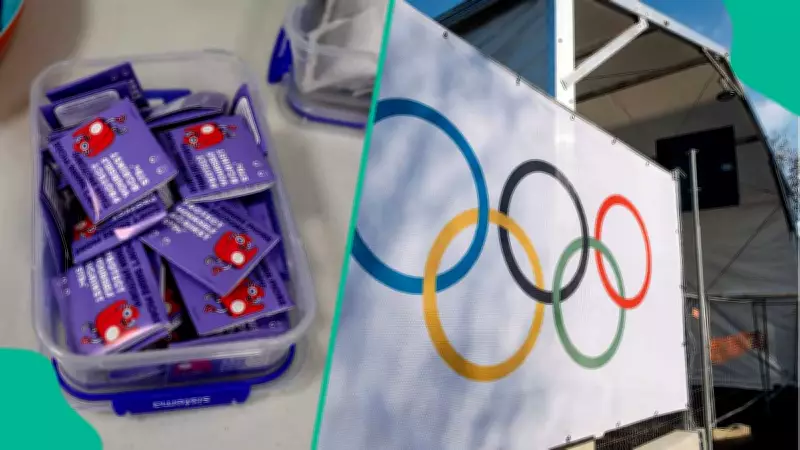
The 2026 Winter Olympics, currently underway in the Italian cities of Milan and Cortina d’Ampezzo, has encountered an unusual logistical challenge. According to multiple reports, the Olympic village has experienced a significant shortage of condoms after athletes reportedly used up the entire initial supply of 10,000 free condoms in just three days. This development has sparked widespread reactions on social media and raised questions about the planning and provisions for such a major international sporting event.
Details of the Shortage and Initial Provision
The Winter Olympics officially commenced on February 6, 2026, and is scheduled to conclude on February 22. The International Olympic Committee (IOC) and local organizers had provided 10,000 condoms for free distribution within the Olympic village. With approximately 2,900 athletes residing in the village, this allocation equated to roughly 3.5 condoms per athlete. Many observers and fans have noted that this quantity appears insufficient for an event of this scale and duration.
This marks the first instance in Olympic history, whether summer or winter editions, where the Games are being hosted across two distinct cities, with Milan and Cortina sharing the responsibilities. The condom shortage has drawn attention not only to the logistical aspects but also to the social dynamics within the athlete community.

Social Media Reactions and Public Commentary
The news of the condom shortage quickly went viral on various social media platforms, with users expressing a mix of amusement, concern, and analytical commentary. One user pointed out the disparity with previous Games, noting that the 2024 Paris Olympics had provided 300,000 condoms which lasted throughout the entire event. Another user highlighted the mathematical inadequacy of the initial supply, suggesting that organizers should have anticipated higher demand based on past experiences.
Further discussions emphasized the unique environment of the Olympic village, where young, physically fit athletes from around the world converge in a setting characterized by high adrenaline and limited parental supervision. Some comments humorously suggested that the real competition might be occurring after dark, while others stressed the importance of safety and respectful behavior among participants.
Official Response and Future Measures
The International Olympic Committee has officially addressed the shortage, assuring that additional condoms will be provided in the coming days to replenish the supply. This response aims to mitigate any potential health risks and ensure that athletes have access to necessary resources throughout the remainder of the Games.
The incident has also prompted broader reflections on the planning processes for Olympic villages, particularly regarding the estimation of non-sporting supplies. Organizers are now faced with the task of not only resolving the immediate shortage but also reviewing their provisioning strategies for future events to prevent similar occurrences.
Historical Context and Athlete Spotlight
Amidst the condom shortage news, the 2026 Winter Olympics also features notable athletic achievements. Samuel Ikpefan, a Nigerian cross-country skier born to Nigerian parents and raised in the French Alps, is making history as the sole Nigerian competitor at the Winter Games. Having previously participated in the 2022 edition, where he finished 73rd in the men's free sprint, Ikpefan continues to represent Nigeria on the global winter sports stage.
The condom shortage, while unexpected, underscores the multifaceted nature of the Olympic Games, where logistical, social, and athletic elements intersect. As the event progresses, all eyes will remain on both the sporting competitions and the ongoing efforts to maintain a safe and well-supplied environment for all participants.