Nigeria's Top Athlete Salaries and the Career Deals Behind Them
When discussing the highest-paid Nigerian athletes, it's essential to understand that earnings come from a mix of sources, including salaries, fight purses, win bonuses, image rights, sponsorships, and business ventures. Each sport operates with distinct payment structures, making direct comparisons challenging. Football contracts typically offer steady weekly wages, boxing features significant spikes per fight, basketball provides structured and public deals, while MMA often hides real earnings outside disclosed payouts. The NBA stands out for its transparent contracts, whereas women's football, despite rapid growth, often lacks public salary data, leading to speculative online lists.
The Highest Paid Nigerian Athletes Right Now
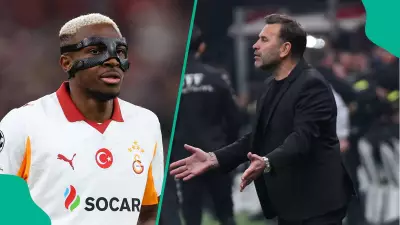
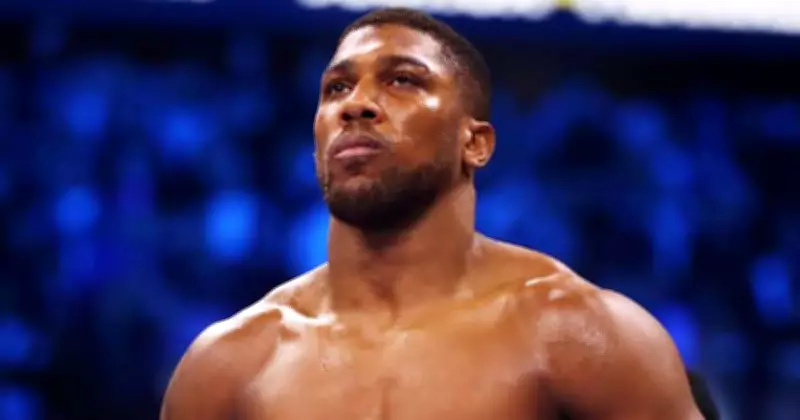
Evaluating athletes based on their best contracts and most profitable seasons reveals standout names. Anthony Joshua leads with $83 million, as reported by Forbes in 2024, thanks to boxing's ability to funnel event revenue to superstars. Victor Osimhen follows with a net salary of $18 million per year from his Galatasaray contract, including loyalty bonuses and image rights. Alex Iwobi earns $5.5 million for the 2025/26 season, reflecting Premier League reliability, while Josh Okogie's NBA deal guarantees $3.1 million. Wilfred Ndidi and Victor Boniface secure $4 million and over $3 million respectively, highlighting specialist roles in football. Precious Achiuwa's $2.5 million NBA salary and Asisat Oshoala's $150,000 in women's football round out the list, with net worth figures showing career-long accumulations from sponsorships and marketing.
Why Anthony Joshua Dominates the Money Headlines
Anthony Joshua's $83 million year underscores boxing's unique economics, where stardom translates into massive paydays from ticket sales, broadcasts, and sponsorships. His brand power allows him to earn like a global entertainer, not just a sportsman, with peak years driven by headline fights and commercial campaigns. Unlike football, where contracts are tied to club performance, Joshua's earnings stem from his ability to sell events, making him a financial outlier among Nigerian athletes.

Football Deals: Osimhen's Package and Premier League Earnings
Victor Osimhen's Galatasaray contract exemplifies football's evolving payment models, blending a $18 million net salary with $1.2 million loyalty bonuses and $6 million for image rights. This package reflects the premium on elite strikers, whose goals drive trophies and commercial interest. In the Premier League, Alex Iwobi's $100,000 weekly wage rewards consistency and trust, while Wilfred Ndidi's $4 million salary highlights the value of defensive specialists. Victor Boniface's multi-million deal aligns with football's emphasis on goal-scoring market value.
NBA and Other Sports: Transparency and Growth Challenges
The NBA offers clarity with contracts like Josh Okogie's $3.1 million fully guaranteed deal and Precious Achiuwa's $2.5 million salary, emphasizing role-based value. In contrast, women's football, represented by Asisat Oshoala's $150,000 contract, faces disclosure gaps despite growth. MMA, with Kamaru Usman's $500,000 disclosed purse for UFC 278, often obscures total earnings through private arrangements and bonuses.
Common Threads: Leverage and Market Dynamics
These deals share a theme of leverage, where athletes reach points where markets must compensate them highly. Joshua leverages event-selling power, Osimhen leverages rare striker skills, Iwobi leverages Premier League reliability, and NBA players leverage niche roles. Ultimately, Nigeria's sports money landscape shows that the biggest checks go to those who achieve undeniable market relevance, transcending hype to secure financial success.