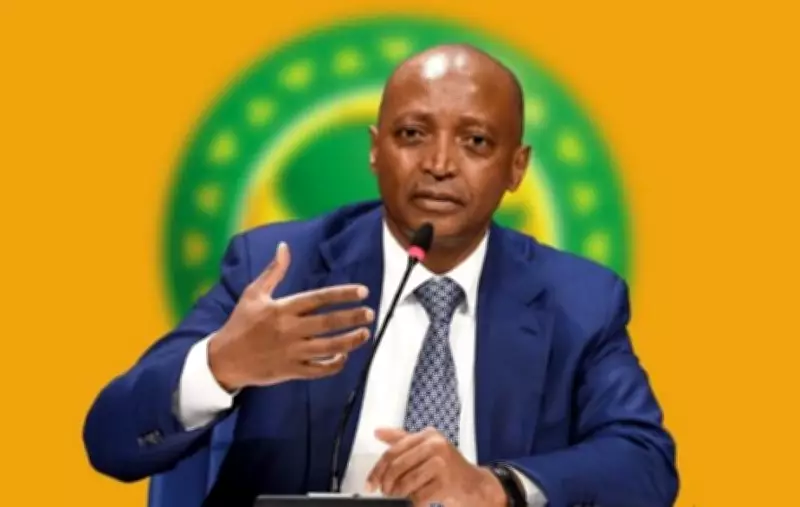
The Confederation of African Football (CAF) has made a landmark decision to expand the Africa Cup of Nations (AFCON) tournament to 28 teams, marking a significant evolution in the continent's premier football competition. This announcement was delivered by CAF President Patrice Motsepe on Sunday, March 29, 2026, following the conclusion of the executive committee meeting.
Commitment to Elevating African Football
Patrice Motsepe, the South African business magnate and football administrator, emphasized that this expansion is a core part of CAF's strategic vision to enhance and globalize African football. He stated, "This is about our commitment to world-class football, bringing together the best African players from across the globe to compete on the continent." This move aims to foster greater inclusivity and showcase the depth of talent across Africa, potentially increasing viewership and commercial opportunities.
Details and Implementation Timeline
However, Motsepe did not provide specific details on how the tournament format will accommodate the four additional teams, nor did he announce an exact implementation date. The expansion follows a previous increase from 16 to 24 teams in 2019, which has been used in the last four editions of the Cup of Nations. This gradual growth reflects CAF's ongoing efforts to adapt to the evolving landscape of international football.

Future AFCON Events and Hosting Plans
In addition to the expansion, Motsepe confirmed that the next AFCON will be held in 2027 as planned, with Kenya, Tanzania, and Uganda serving as co-hosts. This multi-nation hosting approach is expected to promote regional cooperation and infrastructure development. Furthermore, he announced that another event will take place in 2028, during which CAF intends to gradually adjust the tournament to a fixed cycle of once every four years, aligning it with other major international competitions like the FIFA World Cup.
Implications for African Football
The expansion to 28 teams is likely to have broad implications, including increased participation from smaller footballing nations, enhanced competitive dynamics, and potential logistical challenges in organizing larger tournaments. It underscores CAF's ambition to position AFCON as a top-tier global sporting event, while the move to a fixed four-year cycle could provide more stability and planning time for teams and host nations.
As African football continues to grow, these changes are set to shape the future of the sport on the continent, with fans and stakeholders eagerly awaiting further details on the new format and implementation schedule.