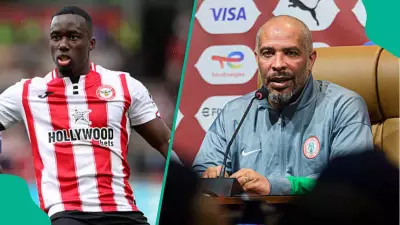
Super Eagles Coach Eric Chelle Insists Morocco Were Robbed of AFCON 2025 Title
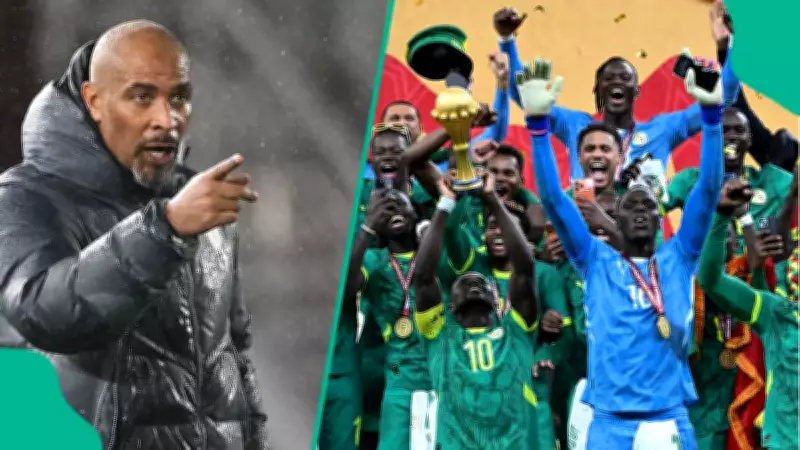
In a controversial statement that has reignited debate about one of African football's most dramatic finals, Super Eagles head coach Eric Chelle has declared that Morocco should have been crowned champions of the 2025 Africa Cup of Nations. The Nigerian tactician's comments come months after Senegal's chaotic 1-0 victory over the host nation in Rabat, a match marred by unprecedented disruptions and contentious refereeing decisions.
The Dramatic Final That Divided African Football
The Teranga Lions secured their second continental crown through Pape Gueye's strike in the fourth minute of extra time, but the victory was overshadowed by a 17-minute interruption that saw Senegal's players leave the pitch in protest. According to match reports, the controversy began when Congolese referee Jean-Jacques Ndala awarded a penalty to Morocco minutes after controversially disallowing a Senegal goal, prompting furious reactions from the Senegalese camp.
Senegal coach Pape Thiaw, who later apologized for his actions claiming he was protecting his team from injustice, instructed his players to abandon the field in a move that would have lasting consequences. The Confederation of African Football subsequently sanctioned Thiaw with a five-match ban and a $100,000 fine for his role in the disruption.

Chelle's Rule-Based Argument for Moroccan Victory
Speaking recently to RMC Sport After Foot, Chelle presented a compelling case based strictly on CAF regulations. "When players leave the field for 15 minutes, it's a forfeit," the Super Eagles boss asserted. "There are rules, and we must have the courage to enforce them. When a player deliberately leaves the field, he must receive a yellow card."
The Nigerian coach specifically referenced CAF's Article 82 concerning match withdrawals and Article 84 which reinforces the forfeiture rule. The regulation states clearly: "If, for any reason whatsoever, a team withdraws from the competition or does not report for a match, except in cases of force majeure accepted by the Organising Commissioner refuses to play or leaves the ground before the regular end of the match without the authorisation of the referee, it shall be considered a loser and shall be eliminated for good from the current competition."
Chelle's interpretation suggests that Senegal's 17-minute absence from the pitch should have resulted in automatic forfeiture, regardless of their eventual return to complete the match. The Royal Moroccan Football Federation reportedly made this exact argument in their formal petition to CAF, though the continental governing body ultimately dismissed their appeal.
Missed Opportunities and Additional Controversies
The match contained several other dramatic moments that compounded the controversy. After Senegal players returned to the field following intervention from senior figures including Sadio Mane, Moroccan star Brahim Diaz missed the crucial penalty with what has been described as a "ridiculous Panenka" attempt that goalkeeper Édouard Mendy saved comfortably.
This penalty miss proved particularly costly when Gueye scored minutes later to secure Senegal's victory. The attempted Panenka drew sharp criticism from Senegal's Iliman Ndiaye, who slammed Diaz for what he called "disrespectful" behavior in such a high-stakes situation.
Both teams faced additional sanctions from CAF for various incidents during the match, with players including Iliman Ndiaye, Ismaila Sarr, Achraf Hakimi, and Ismail Saibari all receiving punishments for their conduct.
The Lingering Questions About African Football Governance
Chelle's comments have highlighted broader concerns about consistency in applying football regulations across the continent. The Super Eagles coach, who recently led Nigeria to a bronze medal finish in the same tournament, emphasized the importance of maintaining standards regardless of circumstances.

"We must have the courage to enforce the rules," Chelle reiterated, suggesting that selective application of regulations undermines the integrity of continental competitions. His stance raises important questions about how African football authorities balance competitive fairness with practical considerations during high-pressure tournament finals.
The 2025 AFCON final will likely be remembered not just for Senegal's victory, but for the unprecedented pitch walk-off and the subsequent debate about what constitutes a forfeitable offense in international football. As African football continues to grow in global stature, incidents like these test the continent's administrative frameworks and their ability to handle complex disciplinary situations.