The world football governing body, FIFA, has officially released a comprehensive list of items that will be banned inside stadiums during the 2026 FIFA World Cup, scheduled to take place from June 11 to July 19, 2026. The 23rd edition of the tournament will be hosted across 16 cities in three countries: the United States, Canada, and Mexico, with the United States providing the highest number of venues.
The tournament is set to kick off with an opening match between co-hosts Mexico and South Africa at the iconic Estadio Azteca in Mexico City on Thursday, June 11, 2026. FIFA President Gianni Infantino has repeatedly assured fans that the 2026 World Cup will be safe, accessible, and focused on delivering a positive supporter experience, despite concerns raised during the build-up to the event.
FIFA Reverses Plastic Bottle Ban After Criticism
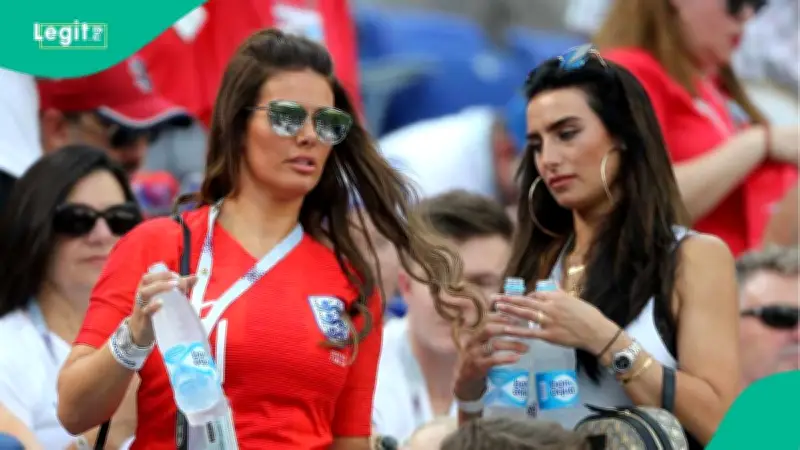
One notable development in the lead-up to the tournament was FIFA's decision to reverse an earlier policy that would have prohibited plastic bottles entirely from stadiums. Following widespread criticism from supporters and stakeholders, FIFA amended the rule to allow fans to bring sealed disposable water bottles into match venues, as reported by Yahoo Sports. The official stadium code of conduct now includes a clause stating: "For the avoidance of doubt, empty, transparent, reusable plastic bottles, up to (1 liter in) capacity, may be brought into the Stadium." FIFA explained that the initial decision to ban bottles was made to prevent risk and injury to players and attendees.

Full List of Banned Items at 2026 World Cup Stadiums
FIFA's comprehensive list of prohibited items is designed to ensure safety and security for all attendees. The following items are banned:

- Weapons of any kind
- Explosives and detonators
- Items that could be used as weapons or thrown as projectiles (including umbrellas and hard hats)
- Tools of any kind
- Body armor or protective gear (including bulletproof vests)
- Helmets, face coverings, or items used to conceal identity (except permitted exceptions)
- Fireworks, flares, smoke bombs, and smoke-emitting devices
- Toxic, radioactive, or corrosive materials
- Spray cans, flammable substances, paint, or large markers
- Aerosol containers, thermoses, and flasks
- Bottles, cans, cups, and other drink containers (including refillable bottles, with exceptions for sealed water bottles)
- Sports equipment (including balls, darts, and Frisbees)
- Balloons and other inflatable items
- Bicycles, scooters, skateboards, rollerblades, and similar transport devices
- Stools, benches, and folding chairs
- Non-clear bags, backpacks, large purses, camera bags, and seat cushions with zippers
- Large quantities of paper
- Flour or similar powder substances
- Animals (except service animals)
- Liquids larger than 100ml (with limited exceptions such as small hand sanitizer)
- Any other liquids exceeding permitted limits
- Outside food of any kind
- Drugs, narcotics, or stimulants
- Banners, flags, flyers, or materials with political, offensive, or discriminatory content
- Oversized flags, banners, or posters (larger than 2m x 1.5m)
- Flagpoles, sticks, and similar items (including pom-pom handles)
- Promotional or commercial signage or materials
- Radio, electronic, or high-frequency transmission devices
- Musical instruments larger than permitted size limits
- Noisemakers (including vuvuzelas, air horns, whistles, and loudspeakers)
- Laser pointers or laser-emitting devices
- Televisions, broadcast equipment, and professional video cameras
- Excess batteries beyond permitted limits
- Mounts for cameras or phones (including tripods, monopods, and selfie sticks)
- Drones and remote-controlled aircraft
- Large binoculars
- Any item deemed to pose a safety risk or cause disruption, at the discretion of event organizers
Additional Context
The ban on vuvuzelas is particularly notable, as these noisy instruments were a hallmark of the 2010 World Cup in South Africa. Their prohibition this time around reflects a shift toward ensuring a more controlled and less disruptive atmosphere in stadiums. FIFA's decision to allow sealed water bottles after initial backlash highlights the organization's responsiveness to fan concerns, balancing safety with convenience.
The 2026 World Cup promises to be a landmark event, with matches spread across three nations. Fans are advised to familiarize themselves with the banned items list to avoid any inconvenience at stadium entrances. Security personnel will enforce these rules strictly to ensure a safe and enjoyable experience for all attendees.