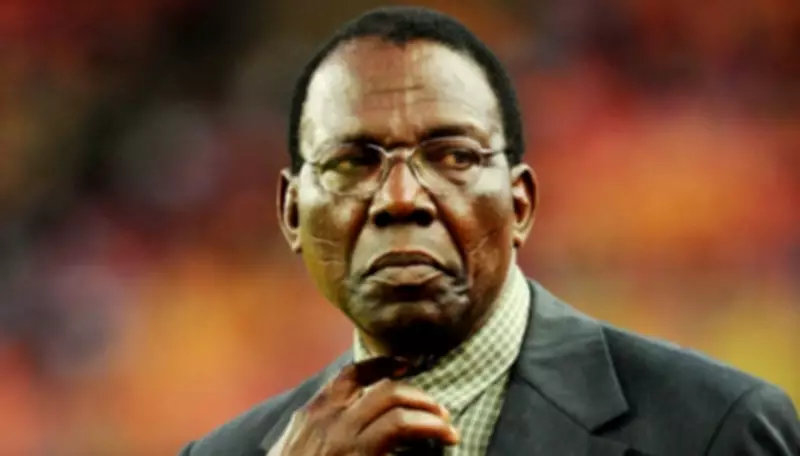
Nigeria Mourns the Loss of Football Icon Festus Onigbinde at 88
The Nigerian football world is in a state of profound mourning following the announcement of the death of former Super Eagles coach, Chief Festus Adegboye Onigbinde. The revered football icon and community leader passed away at the age of 88 on Monday, March 9, as confirmed by his family in an official statement.
Family Announces Passing with Gratitude
The family's statement, signed by Mrs. Bolade Adesuyi, expressed deep gratitude to God for what they described as a life well spent. It read, "With great gratitude to God for a life well spent, we announce the passing of this great man: a Modakeke High Chief, the 1st indigenous Nigerian Super Eagles football coach, father, husband, grandfather, great-grandfather, brother, and friend – High Chief Festus Adegboye Onigbinde."
The statement further highlighted his immense contributions, noting, "We thank God for the fulfilled life and your contributions to the Nigeria nation and the world as an unequalled football coach." The family concluded with a prayer for his soul to rest perfectly and a heartfelt farewell, "Good night till we meet to part no more."
A Pioneering Career in Nigerian Football
Chief Festus Onigbinde holds a distinguished place in Nigerian football history as the nation's first indigenous coach to lead the Super Eagles. His initial tenure with the national team spanned from 1983 to 1984, marking a significant milestone in the development of local coaching talent.
Under his leadership, the Green Eagles, as the team was then known, achieved a remarkable silver medal at the 1984 Africa Cup of Nations. This historic run saw Nigeria advance to the final, where they were narrowly defeated by Cameroon, showcasing Onigbinde's tactical prowess and ability to inspire his squad on the continental stage.
Legacy of World Cup Qualification and National Pride
Beyond his early successes, Onigbinde's legacy was further cemented when he guided the Super Eagles to qualification for the 2002 FIFA World Cup, held in South Korea and Japan. This achievement not only brought immense pride to the nation but also demonstrated his enduring skill and dedication to Nigerian football over decades.
His career is remembered for:
- Breaking barriers as Nigeria's first indigenous national team coach.
- Leading the team to a silver medal at the 1984 AFCON.
- Securing qualification for the 2002 FIFA World Cup.
- Serving as a mentor and inspiration to countless players and coaches.
- Contributing to community leadership as a Modakeke High Chief.
The passing of Chief Festus Onigbinde marks the end of an era in Nigerian sports. His pioneering spirit, coaching excellence, and unwavering commitment to football have left an indelible mark on the nation's sporting landscape. Tributes are expected to pour in from across the globe as fans, former players, and the entire football community reflect on his monumental contributions and celebrate a life truly well lived.