Nigerian Football Mourns the Loss of Legendary Coach Festus Onigbinde
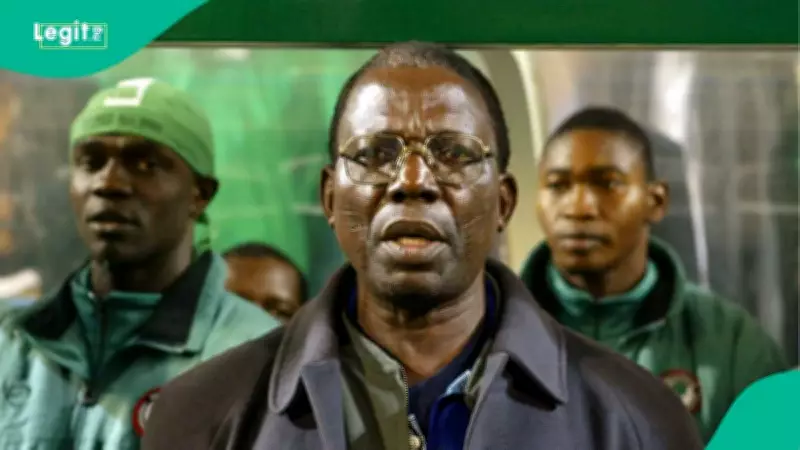
The Nigerian sports world has been plunged into sorrow with the passing of former Super Eagles coach Festus Onigbinde. The revered football figure died on Monday, March 9, 2026, at the age of 88. His death marks the end of an era for Nigerian football, leaving a legacy that spans decades of dedication and achievement.
A Trailblazing Career in Nigerian Football
Festus Onigbinde holds a distinguished place in Nigerian football history as the nation's first indigenous coach to lead the national team. He initially took charge of the Super Eagles, then known as the Green Eagles, between 1983 and 1984. During this period, he implemented foundational strategies that would influence the team for years to come.
Historic Achievement at the 1984 Africa Cup of Nations
One of Onigbinde's most notable accomplishments was guiding the Green Eagles to a silver medal at the 1984 Africa Cup of Nations. Under his leadership, the team advanced to the final, where they faced a strong Cameroonian side. Although Nigeria ultimately lost the match, the silver medal represented a significant milestone in the country's football development and showcased Onigbinde's tactical prowess.
His coaching philosophy emphasized discipline, teamwork, and technical skill, qualities that resonated throughout Nigerian football. Onigbinde's contributions extended beyond the national team, as he mentored numerous players and coaches, fostering a culture of excellence in the sport.
Legacy and Impact on Nigerian Sports
The news of Onigbinde's death has sparked an outpouring of tributes from across the football community. Colleagues, former players, and fans have remembered him as a visionary leader who paved the way for future generations of Nigerian coaches. His work helped elevate the profile of indigenous coaching talent, challenging the reliance on foreign expertise and inspiring confidence in local capabilities.
As details surrounding his passing continue to emerge, the focus remains on celebrating his life and enduring influence. Onigbinde's career exemplified resilience and innovation, traits that have left an indelible mark on Nigerian football. His legacy will be remembered not only for the silver medal at AFCON but also for his role in shaping the sport's infrastructure and ethos in Nigeria.
The football community now reflects on his contributions, with many calling for his achievements to be honored through memorials or educational initiatives. Onigbinde's death serves as a poignant reminder of the rich history of Nigerian football and the individuals who have dedicated their lives to its advancement.