Liverpool Makes History as England's Richest Football Club
In a groundbreaking development for English football, Liverpool Football Club has overtaken its long-standing rivals, Manchester United and Manchester City, to claim the title of the richest club in England for the very first time. This significant achievement marks a major shift in the financial landscape of the sport, highlighting Liverpool's impressive growth and strategic management.
Financial Milestone and Revenue Breakdown
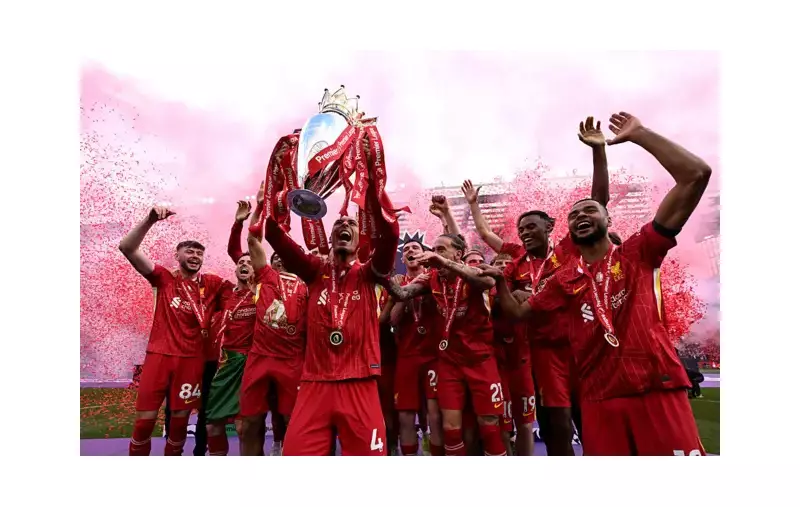
Liverpool's rise to the top of the English revenue rankings is backed by a staggering £729 million earned during their Premier League-winning season. This places them not only as the leader among English clubs but also as the fifth richest club in the world, according to the latest Deloitte Football Money League standings. The club's financial success can be attributed to a combination of key factors that have driven revenue growth.
High commercial income has played a crucial role, with lucrative sponsorship deals and merchandise sales contributing significantly. Additionally, robust matchday earnings from packed stadiums during home games have bolstered their finances. Liverpool's return to the UEFA Champions League has further enhanced their revenue streams, providing additional prize money and broadcasting rights income.

Diversified Business Model Beyond Football
Beyond traditional football-related income, Liverpool has demonstrated a forward-thinking approach by diversifying its revenue sources. The iconic Anfield stadium has been utilized for non-matchday events, such as high-profile concerts and other entertainment activities. This strategic move has not only increased revenue but also showcased a business model that extends beyond the pitch, ensuring financial stability and growth even during off-seasons.
Historical Context and Rival Comparisons
For nearly three decades, Deloitte has been compiling its annual Football Money League, and Manchester United has consistently been a fixture among the world's richest clubs. However, after a challenging period on the pitch under former manager Ruben Amorim, United has slipped to eighth place in the rankings, trailing table-toppers Real Madrid by more than £300 million. This decline underscores the competitive and ever-changing nature of football finances.
Meanwhile, Real Madrid maintains its position at the top of the global rich list, generating nearly £1.013 billion in revenue during the 2024/25 season, despite not winning a major trophy. The ongoing refurbishment of their Santiago Bernabeu stadium into a multi-purpose venue continues to yield substantial financial benefits, highlighting the importance of infrastructure investments in modern football economics.
Implications for English Football
Liverpool's ascent to the top of England's financial rankings is a testament to the club's effective management and strategic planning. With six Premier League sides featuring in the top 10 of the Deloitte list, this development reflects the overall strength and commercial appeal of English football on the global stage. It sets a new benchmark for other clubs to emulate, emphasizing the need for innovation and diversification in revenue generation.
As Liverpool celebrates this historic achievement, the football world watches closely to see how this financial dominance might translate into further success on the field, potentially reshaping the dynamics of English and European football in the years to come.