Morocco Escalates AFCON Final Protest with Formal FIFA and CAF Petition
The Royal Moroccan Football Federation has reportedly taken decisive action following the controversial Africa Cup of Nations final, submitting a formal petition to both FIFA and the Confederation of African Football demanding that Senegal be stripped of their championship title.
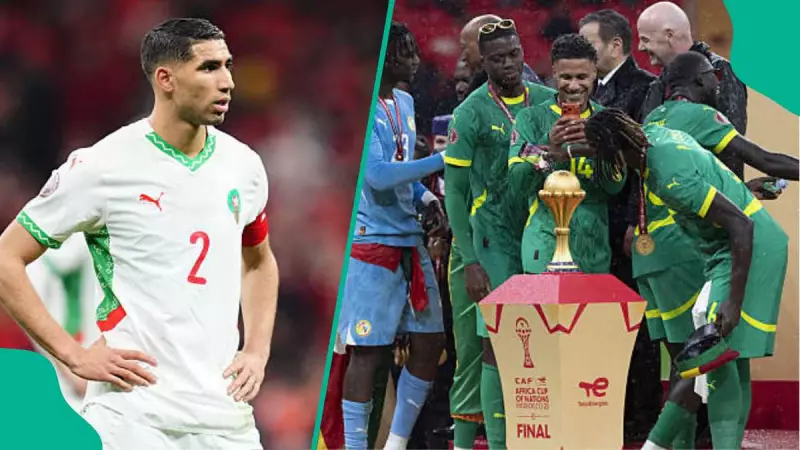
This dramatic development comes days after Senegal secured a 1-0 extra-time victory over Morocco in Rabat, a match overshadowed by unprecedented scenes that have now moved from the football pitch to the highest governing bodies of international football.
Legal Basis for Morocco's Challenge
According to detailed reports from international sports media, the Moroccan football authorities are basing their case on specific competition regulations. The FRMF is invoking Article 82 of the tournament rules, which clearly states that any team withdrawing from a match is automatically considered to have lost that contest.

Morocco's central argument maintains that Senegal's decision to leave the playing field during the critical final moments of regulation time effectively constituted a formal withdrawal, regardless of the players eventually returning to complete the match.
The Controversial Incident That Sparked the Dispute
The pivotal moment occurred late in normal time when the match referee awarded a penalty to Morocco. In response to this decision, Senegal's head coach Pape Thiaw reportedly instructed his players to walk off the pitch in protest against the officiating.
This unprecedented stoppage lasted for more than ten minutes, creating what Moroccan officials describe as a serious disruption to the natural flow of the game and compromising fundamental principles of sporting fairness. Although play eventually resumed and the Moroccan penalty was missed, the FRMF contends that the psychological and physical impact of this extended interruption irreversibly altered the competitive balance of the final.
Football Authorities Respond to Growing Controversy
Both CAF and FIFA have issued statements addressing the chaotic scenes that marred what should have been African football's showcase event. CAF released an official communication condemning what it termed "unacceptable behavior" during the championship match, though without specifically naming any teams involved.
The African football governing body has confirmed it is conducting a comprehensive review of multiple elements including:
- Complete match footage and recordings
- Official referee reports and assessments
- Formal submissions from both participating federations
FIFA President Gianni Infantino has also weighed in on the situation, emphasizing that walk-offs, intimidation of match officials, and any form of violence have absolutely no place in modern football. The global governing body is understood to be closely monitoring developments as Morocco pursues their case through established formal channels.
Expert Analysis Suggests Cautious Approach from Governing Bodies
Despite Morocco's determined pursuit of the championship through regulatory channels, some football analysts suggest that FIFA and CAF might approach this sensitive situation with considerable caution. UK-based Nigerian journalist Samuel Omaenikun has expressed the view that both organizations might hesitate to grant Morocco's request to strip Senegal of their hard-earned title.
"I believe CAF and FIFA will tread carefully because they do not want to incur the wrath of Africans who have formed an opinion that they already favored Morocco throughout the tournament," Omaenikun explained in recent commentary. "Moroccans feel aggrieved but it is not enough to ask that the AFCON title be stripped from the deserving winners."
Senegal's Response and the Path Forward
In related developments, Senegal's head coach Pape Thiaw has reportedly offered an unreserved apology to CAF for his conduct during the tense final moments in Rabat. The former international player explained that his emotions overcame his better judgment due to what he described as questionable officiating during the championship's decisive stages.

As the formal petition process unfolds, the ultimate resolution of the AFCON 2025 championship could potentially be determined in administrative boardrooms rather than on the football field. This unprecedented situation raises significant questions about competition regulations, sporting ethics, and the balance between emotional intensity and professional conduct in high-stakes international tournaments.
The football world now awaits the official responses from both FIFA and CAF as they navigate this complex regulatory challenge while considering the broader implications for African football's premier competition and its future governance.