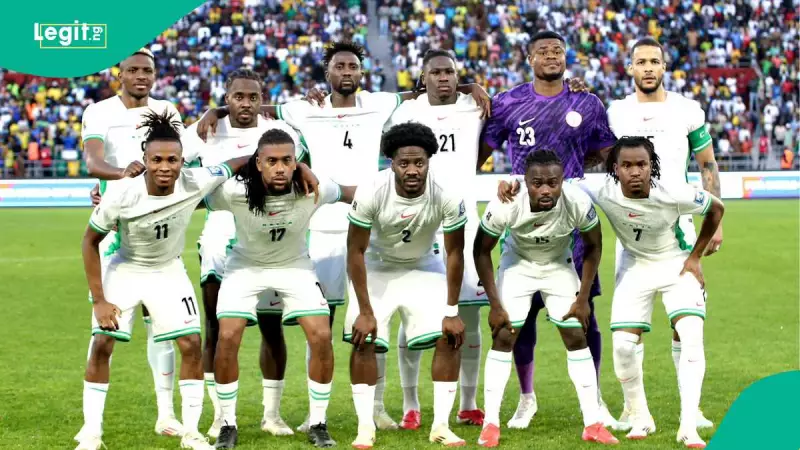
The year 2025 has drawn to a close, leaving behind a complex tapestry of emotions for Nigerian football fans. It was a period marked by soaring triumphs on the continental stage and a profound, collective heartbreak on the road to the global showpiece.
The Pinnacle of Disappointment: World Cup Dreams Shattered
Undoubtedly, the most defining and painful moment of the year was the Super Eagles' failure to qualify for the 2026 FIFA World Cup. After a grueling two-year qualifying campaign, Nigeria's hopes were extinguished in the final African playoff match against DR Congo, which was decided by a penalty shootout.
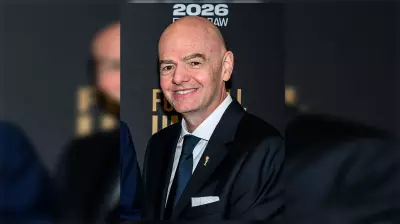
This setback occurred despite a notable resurgence in the team's campaign under new leadership. The Nigeria Football Federation (NFF) has since submitted a formal petition to FIFA, challenging the eligibility of some Congolese players, keeping a sliver of hope alive, however faint.

A Year of Major Transitions and Triumphs
Amidst the World Cup qualifying despair, several other significant events shaped the landscape of Nigerian football in 2025.
In a historic and initially controversial move, the NFF appointed Malian tactician Eric Sekou Chelle as the head coach of the Super Eagles in January. Chelle became the first non-Nigerian African to take the helm, a decision met with public scepticism that he has gradually worked to dispel.
On the club front, Victor Osimhen made a headline-grabbing permanent transfer. After a loan spell, the star striker committed to Turkish giants Galatasaray in a record-breaking deal worth €75 million, choosing loyalty to the club over potential moves to mainstream Europe or Saudi Arabia.
The women's team, the Super Falcons, continued their continental dominance by clinching a historic 10th Women's Africa Cup of Nations (WAFCON) title, defeating hosts Morocco in the final. For their achievement, President Bola Tinubu gifted each player a cash reward of $100,000.
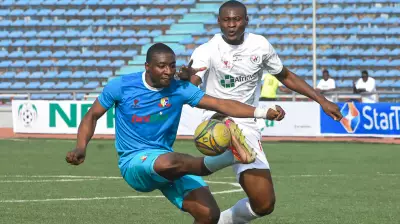
Domestically, Remo Stars etched their name in history by winning their first-ever Nigeria Premier Football League (NPFL) title. The Ikenne-based club, founded in 2010, was celebrated with a generous ₦10 million cash donation from Victor Osimhen.
Controversies and Farewells
The year was not without its off-pitch dramas. In November, the Super Eagles boycotted training in protest over years of unpaid allowances and bonuses, casting a shadow ahead of a crucial World Cup playoff against Gabon. The team ultimately played and won the match 4-1 after extra time.
Furthermore, the NFF faced intense scrutiny over allegations of financial mismanagement, specifically concerning FIFA's Forward Programme funds and unpaid entitlements to former national team players and coaches.
2025 also saw the end of an era as two pillars of the national team, William Troost-Ekong and Ahmed Musa, retired from international football. Their departures marked a significant changing of the guard within the Super Eagles squad.
Tragically, the football community also mourned the loss of several legends, including former captain and coach Christian Chukwu, goalkeeper Peter Rufai, and 30-year-old Abubakar Lawal, who died under mysterious circumstances in Uganda.
As the Super Eagles currently compete in the 2025 Africa Cup of Nations in Morocco, seeking redemption and a fourth continental title, the memories of 2025—a year of stark contrasts between brilliant highs and devastating lows—will undoubtedly fuel their ambitions for the future.