Sam Sodje's Controversial Stance on Nigeria's World Cup Hopes
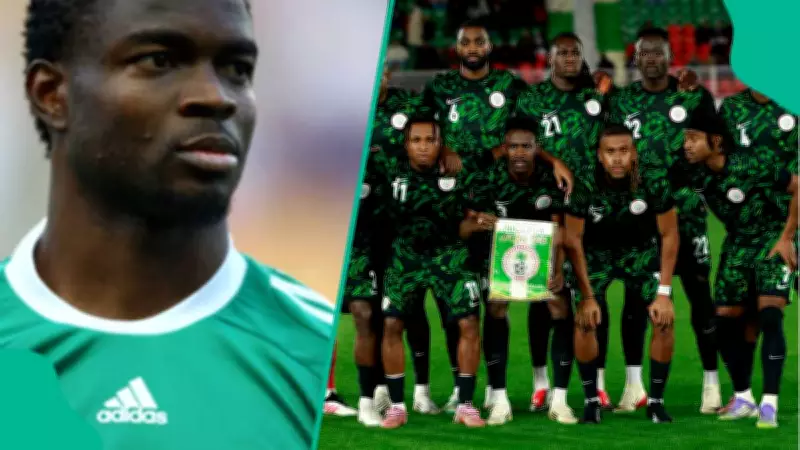
Former Super Eagles defender Sam Sodje has made a surprising admission regarding Nigeria's quest to qualify for the 2026 FIFA World Cup. In a recent interview, Sodje revealed that he does not want Nigeria to secure qualification through FIFA's intervention, emphasizing instead the urgent need for comprehensive football reforms within the country.
The Ongoing FIFA Verdict and Nigeria's Protest
Nigeria is currently awaiting FIFA's final decision on its formal protest against the Democratic Republic of Congo. The Nigeria Football Federation lodged this protest on December 15, 2025, following the Super Eagles' elimination from World Cup contention after a dramatic 4-3 penalty shootout loss to DR Congo last November. This defeat effectively ended Nigeria's direct path to the intercontinental play-offs for the 2026 tournament.
The controversy centers on allegations that DR Congo fielded ineligible players during the crucial World Cup playoff final. While many Nigerian fans remain hopeful that FIFA will rule in their favor, recent developments have created additional uncertainty. FIFA's 2025 CAS and Football Annual Report notably omitted any reference to Nigeria's pending petition, heightening anxiety among supporters and officials alike.

Sodje's Call for Fundamental Reforms
Speaking candidly during an interview with Brila.net, as featured on BSN Sports, Sodje articulated his unconventional perspective. "I think we should move forward. If FIFA's decision works in our favour, so be it. But to tell you the truth, I don't want us to qualify," the former defender stated. "I don't want it because we need to see how bad our football has become. I am not looking forward to it."
Sodje elaborated that Nigeria must confront the systemic issues plaguing its football infrastructure rather than pursuing what he termed a "miracle" qualification. He believes the country should prioritize long-term rebuilding and fundamental reform over the short-term success of World Cup participation. Despite his personal stance, Sodje acknowledged his national loyalty, expressing hope that FIFA's decision would ultimately favor Nigeria while maintaining his position against qualification.
Broader Context and Regional Dynamics
The situation has been further complicated by regional football politics. Reports indicate growing pressure on Véron Mosengo-Omba, the Secretary General of the Confederation of African Football and a prominent DR Congo official. Critics allege that Mosengo-Omba has been working against Nigeria's petition to FIFA, potentially influencing the ongoing proceedings. Some stakeholders have even called for his removal from CAF leadership, suggesting that Nigeria might gain a significant advantage if these efforts succeed.
This complex backdrop underscores the multifaceted challenges facing Nigerian football. While the immediate focus remains on FIFA's impending verdict, Sodje's comments have sparked broader conversations about the state of the sport in Nigeria. His emphasis on structural reform rather than tournament qualification has resonated with some analysts who argue that Nigerian football requires systemic changes to achieve sustainable success.
As the football community awaits FIFA's ruling, Sodje's perspective serves as a reminder that qualification alone cannot address deeper issues within Nigeria's football ecosystem. The coming weeks will determine whether the Super Eagles receive a second chance at World Cup participation or whether the country will embark on the comprehensive rebuilding process that Sodje advocates.