Ukrainian Skeleton Athlete Disqualified from Olympics Over Memorial Helmet
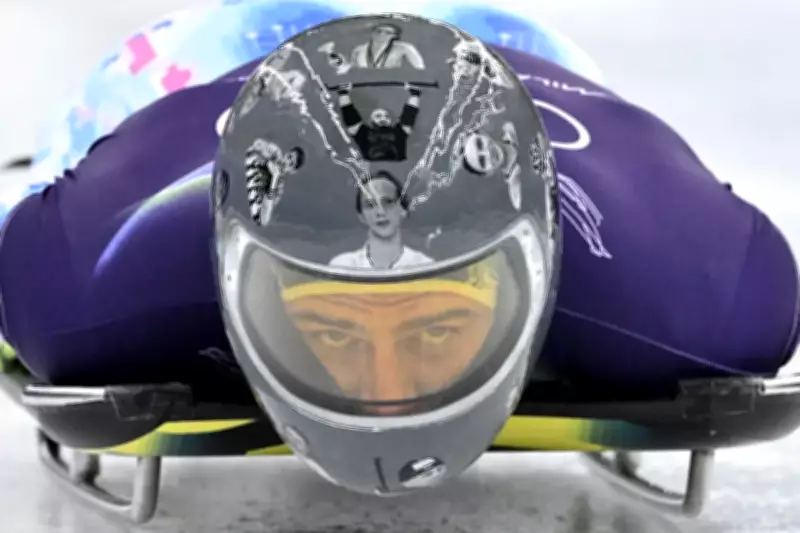
The International Olympic Committee has barred Ukrainian skeleton athlete Vladyslav Heraskevych from competing at the upcoming Milano Cortina Winter Olympics. The decision came after Heraskevych refused to remove a specially designed helmet that honors Ukrainian athletes and coaches who have been killed during Russia's ongoing invasion of Ukraine.
IOC's Stance on Political Statements
The IOC announced the disqualification on Thursday following a direct meeting between Heraskevych and IOC President Kirsty Coventry, which took place just before the skeleton competition was scheduled to begin. In an official statement, the Olympic organization emphasized that it had been "very keen" for Heraskevych to participate and had explored alternative ways to allow him to honor his fallen compatriots.
"We explored ways to respectfully address his wish to honor fellow athletes who lost their lives after Russia's invasion of Ukraine," the IOC stated. "This decision is not about the message itself, but the location where it was expressed."

The committee ruled that the helmet, which features images of more than twenty deceased Ukrainian sports figures, violated its strict prohibition against political statements during competition. Among those memorialized is figure skater Dmytro Sharpar, a former teammate of Heraskevych from the 2016 Winter Youth Olympics.
Heraskevych's Defiant Response and Planned Appeal
Outside the sliding center, an emotional Heraskevych described the moment as indescribable, stating, "It's hard to say or put into words. It's emptiness." The athlete has announced his intention to appeal the ruling to the Court of Arbitration for Sport, arguing that his helmet represents a memorial rather than a political statement.
The IOC had offered several compromises, including permitting Heraskevych to wear a black armband or ribbon during competition and allowing him to carry the helmet in the mixed zone after his races. However, the skeleton racer rejected all alternatives, insisting on his right to wear the helmet as a tribute.
Following the announcement, Heraskevych took to social media platform X to declare, "This is the price of our dignity." In a poignant post made the night before the IOC's decision, he had written, "For me, the sacrifice of the people depicted on the helmet means more than any medal ever could — because they gave the most precious thing they had."
History of Olympic Activism
This incident marks the second consecutive Olympics where Heraskevych has used the international sporting stage to draw attention to Russia's aggression against Ukraine. During the 2022 Beijing Winter Games, just two weeks before Russia launched its full-scale invasion, he held up a small sign reading "No war in Ukraine" after completing his final run.
The current controversy has garnered significant international attention, highlighting the ongoing tension between athletes' personal expressions of solidarity and the IOC's regulations designed to maintain political neutrality at the Games. Heraskevych's disqualification raises important questions about where the line should be drawn between memorialization and political statement in international sports competitions.