Nigeria's national football team, now globally known as the Super Eagles, once bore a different identity that has sparked nostalgic debates for decades. The iconic change from the Green Eagles to the Super Eagles is a fascinating piece of the country's sporting history, driven by the players themselves and formalized by the government.
The Players' Initiative: Questioning a Green Eagle
The story of the renaming begins not in a government office, but among the squad. Former goalkeeper and captain Aloy Agu provided a detailed account in a 2013 interview. He recalled that during a tournament in Monrovia in 1986, players and coaches, including figures like Hamilton, Salami, and Tunde Disu, began discussing the team's nickname.
The central point of their discussion was simple yet logical. As Agu explained, the group collectively agreed that "we have never seen an eagle that is green in colour." This realization led them to conclude that the name Green Eagles was not a fitting representation of the powerful bird of prey or their team's aspirations.

Following this consensus, the playing body and technical crew decided on a new, more formidable moniker: the Super Eagles. They then took this collective decision to the relevant football authorities for approval.
Official Declaration After Maroc 88
The formal announcement of the name change came on the heels of a significant sporting achievement. After the 1988 Africa Cup of Nations in Morocco (Maroc 88), where Nigeria finished as runners-up and won silver, the team was received by the government.
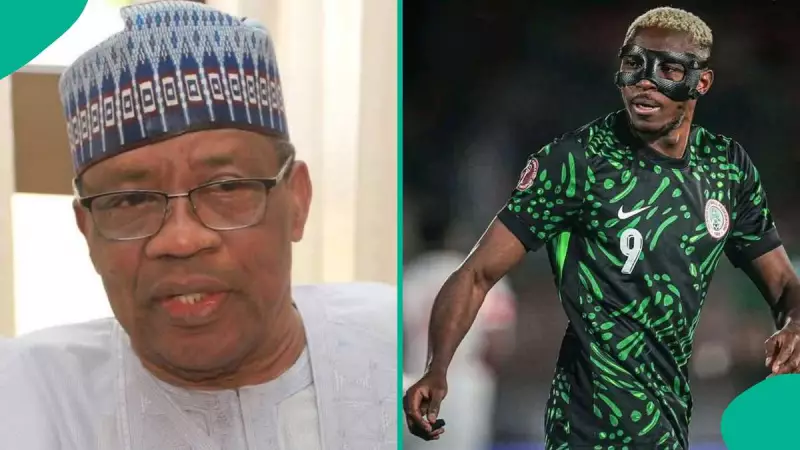
It was at this reception that then Vice President Augustus Aikhomu publicly declared the change. He announced that the national team would henceforth be known as the Super Eagles. This timeline links the new identity to a period of competitive success, cementing it as a symbol of national pride.
Enduring Debate: Nostalgia vs. Modern Brand
Despite the name's longstanding use, the change was not universally embraced and remains a topic of conversation. A prominent voice for the old name is Oloye Akin Alabi, a member of the House of Representatives from Oyo State.
Taking to the social media platform X, Alabi shared his personal view. He stated that he found the change initiated by former Head of State, General Ibrahim Babangida (IBB), to be "weird." He argued that "Super is more of decorative than meaningful," expressing a clear preference for the original Green Eagles nickname which he felt carried deeper significance.
This perspective highlights how sports team identities are intertwined with cultural memory and personal sentiment. For many, the Green Eagles evokes an earlier era of Nigerian football, while the Super Eagles represents its modern, global brand.
The Super Eagles nickname has undoubtedly become a defining symbol of Nigerian football, recognized across Africa and the world. While debates about the name's meaning persist, the brand itself has grown into a central pillar of the nation's sporting image. The recollection by Aloy Agu underscores the proactive role athletes can play in shaping their own legacy, transforming a simple logistical discussion into a lasting piece of national history.