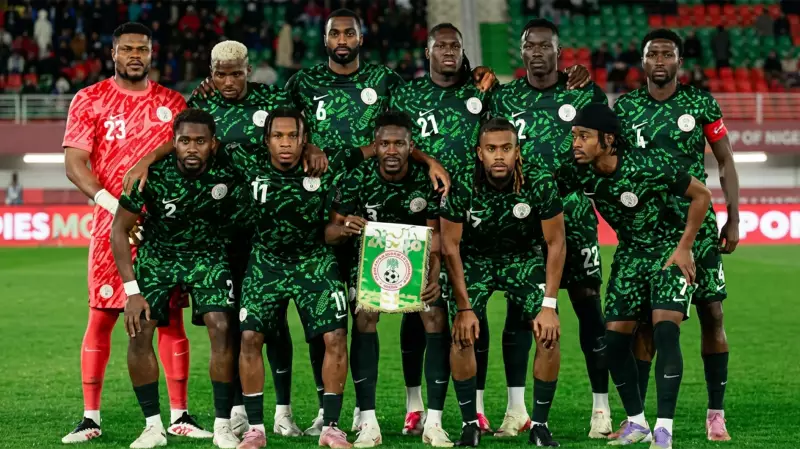
The elimination of Nigeria's Super Eagles from the Africa Cup of Nations (AFCON) 2025 title race, following a heartbreaking penalty shootout defeat to Morocco, is not a conclusion. For many discerning observers, it represents the start of a promising new chapter for the national team.
A Valiant Stand Against Morocco and Adversity
The quarter-final clash in Morocco was, by all accounts, a 'mission impossible' encounter. Facing a hostile crowd of nearly 60,000 home supporters, the Super Eagles displayed remarkable composure. Despite being dominated in possession by a fiercely aggressive Moroccan side, the Nigerian defense, marshaled superbly by Calvin Bassey, held firm for 120 minutes.
The Atlas Lions executed a perfect tactical plan, stifling creative outlets like Alex Iwobi and the full-backs, and denying space to attackers Victor Osimhen, Ademola Lookman, and Akor. Yet, the Eagles were never seriously threatened with conceding in open play. The match reached a stalemate that only the lottery of penalties could break.

Beyond the on-field challenge, the team contended with significant external factors. The officiating by the Ghanaian centre-referee was heavily biased, with many dubious decisions frustrating Nigerian players. A glaring example was an inexplicable throw-in awarded to Morocco while the ball was still in play. These small decisions cumulatively tilted the atmosphere against the Eagles.
Key Takeaways and a Vote of Confidence for Eric Chelle
Despite the painful exit, the tournament offered crucial insights for Nigeria's football future. Firstly, coach Eric Chelle has earned widespread praise and deserves a contract extension. The Malian tactician showed growth, a clear tactical identity, and a calm demeanor. He has gained a deeper understanding of his squad and can now build a more cohesive unit.
Secondly, the emergence of Calvin Bassey as a defensive leader was monumental. His performances were so commanding that he is now touted as the ideal future captain, a responsibility that might be too burdensome for a striker like Osimhen.
Thirdly, the match underscored the perennial issues plaguing Nigerian football administration. From poor logistical planning to a lack of adequate support for the team abroad, the Nigeria Football Federation (NFF) failed again. As noted by John Mastoroudes, former proprietor of the legendary Leventis United FC, administrative failures continue to hinder the team's progress.
The Blueprint for Nigeria's Football Rebirth
The AFCON 2025 campaign highlights urgent areas for systemic reform. A renewed and professional scouting network for Nigerian talents abroad is critical, as the domestic league currently offers little. Furthermore, the government and stadium owners must invest in world-class training pitches and facilities. The current state of grounds, even those managed by reputable firms like Julius Berger, is unacceptable for elite development.
The standard of local coaching must be elevated. Current CAF and FIFA programs do not address the unique technical development needs of Nigerian players, leading to the erosion of the nation's naturally expressive style of play.
Ultimately, all roads lead to the need for constitutional and structural reforms in football administration. A new framework involving genuine stakeholders is non-negotiable. This must be coupled with a solid grassroots development structure, control over the chaotic exodus of young players, and a proper database for monitoring diaspora talents.
The relative quiet in the Super Eagles' schedule in the coming year presents the perfect opportunity to begin this crucial work. The loss to Morocco was a painful end to a valiant campaign, but it has clearly illuminated the path forward. The Super Eagles are on their way back, and the foundation for lasting greatness is now visible.