Malicious AI Networks Pose Severe Threat to Nigeria's 2027 Elections, Expert Warns
Nigeria has long grappled with electoral controversies, from ballot box snatching in the South West to voter intimidation in the North West, challenges that have tested the nation's democratic resilience for decades. However, as the 2027 general elections approach, a new and far more sophisticated danger is emerging, one that operates silently through the screens of millions rather than with physical force. This peril stems from the malicious use of artificial intelligence swarms, and according to digital rights expert Wale Bakare, Nigeria is alarmingly unprepared for this technological onslaught.
Understanding the AI Swarm Threat
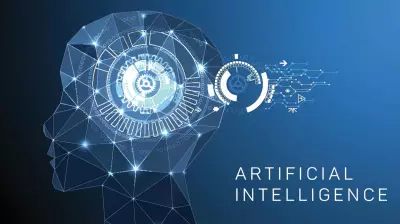
In the realm of information warfare, an AI swarm refers to a coordinated network of automated systems, including bots, deepfake generators, algorithmic amplifiers, and clusters of fake accounts, all working in unison to manipulate public opinion on a massive scale. Unlike isolated misinformation shared in a WhatsApp group, an AI swarm can produce thousands of fabricated stories, doctored videos, and synthetic voices within minutes, flooding digital platforms before fact-checkers or election monitors can even begin to respond. With over 100 million Nigerians accessing the internet and relying heavily on social media platforms like X, Instagram, Facebook, TikTok, and WhatsApp as primary news sources, the potential impact of such attacks is immense and could severely disrupt the electoral process.
Lessons from the 2023 Elections and Future Risks
During the 2023 presidential election, misinformation about results, candidates, and voting procedures spread virally across social media. Fake screenshots of result sheets circulated before the Independent National Electoral Commission (INEC) released official figures, and fabricated audio messages attributed to political leaders inflamed tensions. These incidents occurred before generative AI became widely accessible. By 2027, this technology is expected to be dramatically more powerful, affordable, and user-friendly, enabling malicious actors—whether foreign governments, domestic political interests, or well-funded criminal networks—to deploy AI systems capable of creating convincing fake videos of presidential candidates making inflammatory statements or generating thousands of geographically distributed fake accounts to depress voter turnout or stoke ethnic and religious divisions.

Nigeria's Vulnerability and Language Challenges
Nigeria's demographic profile makes it particularly susceptible to AI-driven disinformation. The country boasts a young, digitally active population, with a significant portion of voters under 35 who are quick to share viral content. Research indicates that false information spreads faster and further on social media than accurate reporting due to its emotional charge. An AI swarm designed to exploit ethnic loyalties, religious anxieties, and economic frustrations in a diverse nation like Nigeria could cause substantial harm. Additionally, the language dimension exacerbates the threat, as Nigeria has over 500 languages, with Hausa, Yoruba, and Igbo being dominant. AI systems trained in these languages can now generate convincing text and audio content, allowing for regionally tailored disinformation campaigns that could simultaneously stoke tension in Kaduna and unrest in Ibadan from a single coordinated command.

The Deepfake Danger and Institutional Gaps
A specific and growing threat is deepfake technology, which has already been used in Nigerian political campaigns to embarrass opponents and distort public records. By 2027, AI models are projected to produce video and audio content so realistic that even trained observers may struggle to detect it without specialized tools. Imagine a fabricated video of a leading presidential candidate allegedly confessing to corruption or making ethnically divisive remarks released just 48 hours before election day. The viral speed of such content, combined with limited time for debunking, could irreparably damage campaigns and suppress voting among targeted groups. Despite INEC's commendable strides with systems like the Bimodal Voter Accreditation System and the INEC Result Viewing portal, these address logistics rather than information warfare. Nigeria currently lacks a national AI governance framework, a dedicated election cybersecurity unit, or a coordinated rapid response system for electoral disinformation, leaving institutions like the National Information Technology Development Agency (NITDA) and the National Cybersecurity Coordination Centre (NCCC) in need of expanded mandates and capabilities before 2027.
Call to Action for Preparedness
To counter these threats, civil society organizations and media institutions must play a critical role. Fact-checking platforms such as Dubawa, AFP Fact Check Nigeria, and Peoples Gazette have done important work, but their capacity is dwarfed by the speed and scale of AI swarms. Investment in AI-assisted fact-checking tools, mandatory pre-election media literacy campaigns, and formal partnerships between technology companies and Nigerian civil society groups are essential. The federal government should engage platforms like Meta and Google to establish dedicated Nigerian election integrity desks for rapid response to coordinated inauthentic behavior during the campaign season. Political parties must also be held accountable, with clear definitions in Nigerian electoral law distinguishing legitimate communication from malicious manipulation, including provisions on synthetic media and AI-generated content. INEC should require all registered political parties to sign binding codes of conduct covering digital campaign ethics.
As Nigeria navigates deep economic anxiety, significant security challenges, and widespread public distrust in institutions ahead of the 2027 elections, these conditions are ripe for exploitation by malicious AI swarms. The nation that emerged from the controversies of 2023 with its democratic institutions intact cannot afford to enter 2027 without a clear strategy to confront the AI threat. The question is not whether malicious actors will attempt to weaponize artificial intelligence against Nigeria's democracy, but whether Nigeria will be ready to defend it.