AI Reshaping Workplace Safety in UK Manufacturing and Energy Sectors
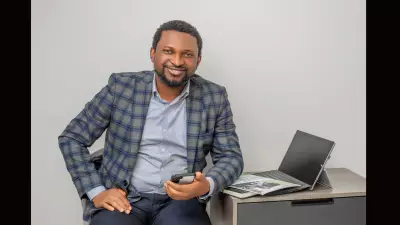
Godson Uche Nwanmuo, a UK-based occupational health and safety professional, has disclosed that the manufacturing and energy sectors in the United Kingdom are undergoing a significant transformation. This change is driven by automation, decarbonisation, and an increasing reliance on data systems, with artificial intelligence emerging as a critical tool for improving workplace safety.
From Reactive to Predictive Safety Models
Despite robust regulatory frameworks, Nwanmuo noted that many organisations still depend on reactive safety models, which limit their ability to prevent incidents before they occur. The continued use of lagging indicators, rather than real-time risk intelligence, has created gaps in hazard identification and management. He explained that traditional safety frameworks, largely reliant on manual checks and reactive measures, are gradually being replaced by predictive models that use data analytics to anticipate hazards before incidents happen.
These systems are particularly relevant in complex environments such as manufacturing plants, oil and gas facilities, and energy production sites. Nwanmuo said the shift towards predictive safety systems reflects a broader evolution in operational risk management. "Safety is no longer just about responding to incidents after they happen. With the data available today, companies can begin to predict patterns and intervene earlier," he stated.

Integration of AI-Driven Safety Systems
According to Nwanmuo, AI-driven safety systems are increasingly integrated into operational processes through predictive risk models, digital monitoring of occupational exposure, and sensor-based technologies capable of detecting environmental changes in real time. "AI-driven safety systems can integrate operational data, health surveillance, and environmental monitoring to create predictive risk models that identify hazards before escalation. In high-risk environments, small changes can escalate quickly. Continuous monitoring and early anomaly detection improve decision-making and reduce the likelihood of incidents," he explained.
He added that such systems also provide insights into worker interactions with machinery and operational processes, enabling organisations to adjust workflows and minimise exposure to hazards, while improving overall efficiency and compliance. This development aligns with the UK's broader industrial strategy, which prioritises digital transformation and the creation of safer, more resilient workplaces.
Convergence of Environmental Monitoring and Safety
Nwanmuo further highlighted the growing convergence between environmental monitoring and occupational safety, noting that the integration of environmental data into safety systems is becoming increasingly important. "You cannot separate environmental performance from workplace safety anymore. The same data used to track emissions or environmental changes can also inform how safe a workplace is," he said.
This approach supports ongoing sustainability efforts across UK industries, particularly in areas such as emissions control, resource efficiency, and long-term environmental impact. Drawing from his international experience, Nwanmuo stressed the importance of adaptable safety systems that can respond to different operational environments while maintaining global standards. "There is a lot of learning that comes from working across different regions. What remains constant is the need for systems that are both reliable and adaptable," he emphasized.
Opportunities for Global Collaboration
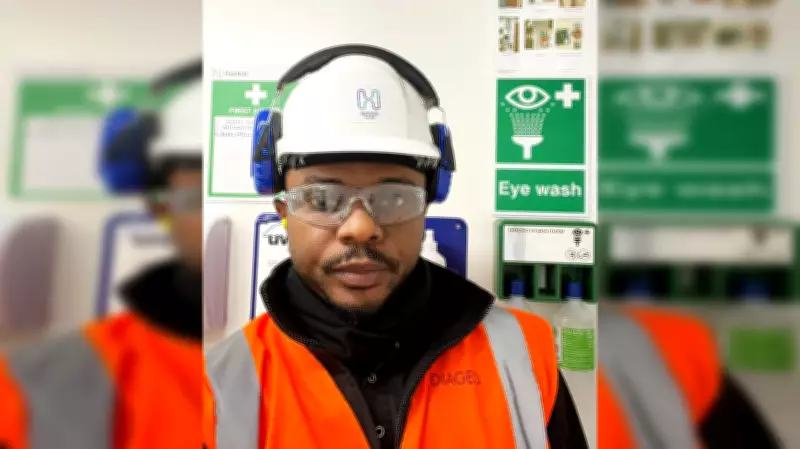
He also pointed to opportunities for countries like Nigeria to adopt similar frameworks, particularly through knowledge transfer, training, and the deployment of digital monitoring tools. "There is potential for collaboration, especially in areas like training, compliance systems, and the use of digital tools for monitoring," he added. Nwanmuo, who serves as a Health and Safety Advisor at Diageo in Glasgow, has over a decade of experience spanning Nigeria, the Middle East, and the UK. His work covers safety governance systems, risk assessment processes, and workplace health monitoring in high-risk sectors.