Coalition Warns of AI Misuse Threatening Nigeria's Political Stability Ahead of 2027 Elections
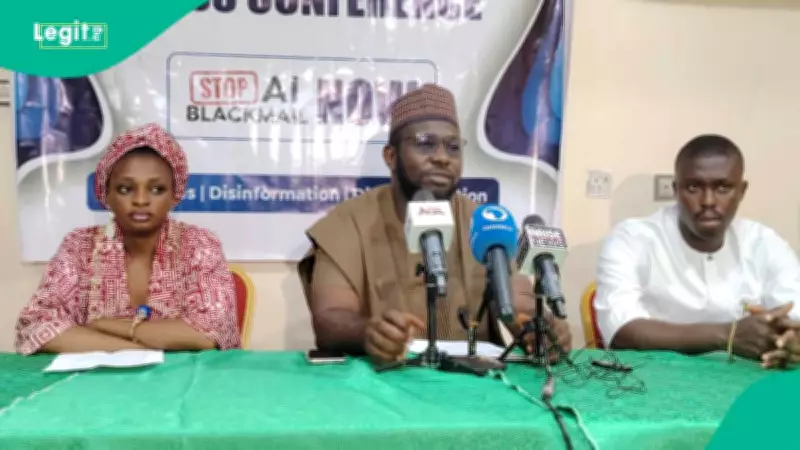
As Nigeria prepares for the 2027 general elections, the Coalition for Ethical Technology and Democratic Integrity (CETDI) has issued a stark warning about the escalating misuse of Artificial Intelligence (AI) against political leaders and private citizens. The coalition, also known as the Citizens' Watch Group, held a press conference in Abuja on Wednesday, April 22, to highlight the dangers posed by hyper-realistic deepfake videos, images, and audio.
AI Blackmail as a National Security Threat
CETDI has called on the federal government and security agencies to take immediate action by criminalizing AI-generated blackmail. The coalition urged authorities to recognize this trend as a national security threat and classify it as a form of cyber-terrorism. Abdullahi Haruna Haruspice, the convener of CETDI, emphasized that recent advancements in AI technology have introduced a perilous new dimension to cybercrime and political manipulation.
Haruspice stated, "What was once considered science fiction has now become a credible and immediate threat to Nigeria's democratic stability, especially as the nation approaches the 2027 general elections." He warned that if left unchecked, AI-generated content could severely erode public trust, trigger political crises, damage reputations, and undermine the credibility of democratic institutions and electoral processes.

Vulnerable Political Leaders Identified
The coalition has identified several key political figures who are at heightened risk of being targeted by AI-generated blackmail campaigns. Based on credible intelligence and observed patterns, CETDI listed the following individuals as particularly vulnerable:
- President Bola Ahmed Tinubu
- Seyi Tinubu
- Dr. Samuel Ogbuku, Managing Director of the Niger Delta Development Commission (NDDC)
- PDP chieftain Otunba Segun Showunmi
- FCT Minister Nyesom Wike
- NNPC GMD Bashir Bayo Ojulari
- INEC Chairman Professor Joash Ojo Amupitan (SAN)
- Mr. Hakeem Muri-Okunola
- Several other key actors in the current administration
CETDI stressed that these AI-generated materials are not harmless fabrications but are deliberately designed to depict false and damaging scenarios. These include fabricated scandals, fraudulent activities, and manipulated statements aimed at extortion, intimidation, misleading the public, and influencing political outcomes. The sophistication of these tools makes detection extremely difficult without specialized forensic capabilities.
Urgent Actions Recommended by CETDI
While urging all Nigerians to remain vigilant, verify information before sharing, and resist the spread of unverified content, the coalition called for immediate government intervention. CETDI recommended the following actions:
- Recognize AI-generated blackmail as a national security threat and classify it as a form of cyber-terrorism.
- Introduce urgent legislative and executive measures to criminalize malicious deepfake content.
- Invest in detection technologies and public awareness campaigns to educate citizens about the risks.
- Direct public office holders to strengthen digital security and verification systems.
- Direct law enforcement agencies to investigate and prosecute offenders involved in creating or disseminating harmful AI content.
The coalition also called on political actors to refrain from using AI tools for malicious purposes. CETDI clarified that its call is not intended to create panic but to raise necessary awareness and prompt decisive action to safeguard Nigeria's democracy.
"The misuse of AI for blackmail and disinformation represents a clear and present danger to Nigeria's democracy," the coalition added. As the 2027 elections draw nearer, the need for robust measures to combat AI-generated threats becomes increasingly critical to maintaining political integrity and public trust.