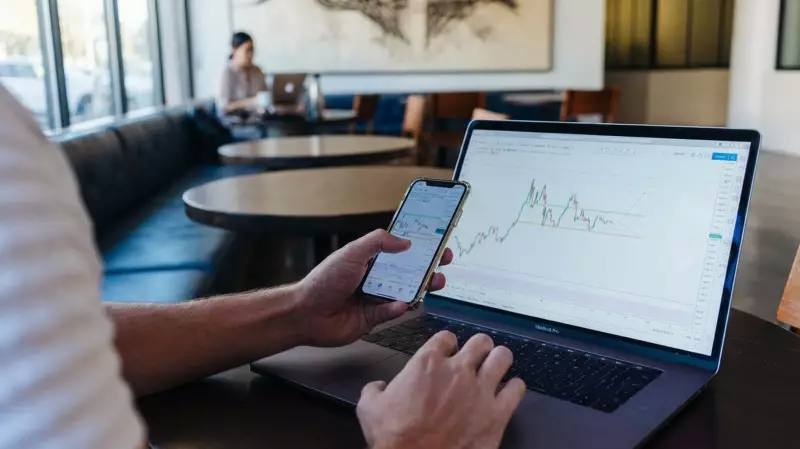
For many forex traders across Nigeria's major cities, the daily routine involves sifting through a flood of conflicting signals from platforms like Telegram and WhatsApp. This often leads to missed opportunities and costly hesitation. However, a shift is underway as AI copilots begin to reshape the trading experience, offering clarity and speed in a typically noisy market.
The Nigerian Trader's Reality: Juggling Signals and Spotty Networks
The typical trading environment in Nigeria is far from the idealized financial hub. Traders in Lagos, Abuja, Port Harcourt, and Kano often operate from smartphones or basic laptops, battling unreliable electricity and intermittent internet connections. This reality turns every trading decision into a high-pressure act, where a dropped connection or a power flicker can mean a missed market move. It's a scenario akin to analyzing charts on a bumpy bus ride—focus is fragile and distractions are constant.
Enter the AI copilot, designed to function as a personal analyst in the background. This technology scans currency charts, monitors news headlines, tracks economic calendars, and distills the essential information relevant to a trader's preferred currency pairs. Instead of toggling between numerous apps and browser tabs, the trader receives a consolidated, cleaner market view, saving precious time and mental energy.

From Chaos to Context: How AI Adds Value to Raw Signals
Most signal services, whether paid or free, simply provide entry, stop-loss, and take-profit levels without explanation. Nigerian traders are then left in a bind: follow blindly or spend valuable time deciphering the logic. AI copilots address this gap by adding critical context to incoming signals.
For instance, an AI assistant can categorize a signal by strategy—such as trend continuation or a breakout—and check its alignment with the broader market trend on higher timeframes. It can also highlight key nearby support or resistance levels. This transforms a vague "buy EURUSD" alert into a structured trade idea with reasoning, empowering the trader to make an informed decision that fits their personal strategy.
Enforcing Discipline in Risk and Routine
One of the most significant pain points for retail traders in Nigeria is inconsistent risk management, where emotions lead to oversized positions after a string of wins or losses. AI copilots introduce discipline by automatically calculating position size based on the trader's account balance, predefined risk percentage, and the stop-loss distance for each trade. This removes guesswork, especially for traders making quick decisions during a work break or commute.
Furthermore, these tools can act as a filter, rejecting low-quality setups based on rules set by the trader. Rules might include avoiding trades with stop-losses that are too wide, signals that contradict the daily trend, or setups that coincide with high-impact news events. This pre-filtering saves time and reduces emotional trading noise.
To integrate AI usefully into a busy Nigerian trader's day, three practical applications stand out: requesting a pre-market overview before the London session opens, running incoming Telegram signals through a quality check against personal rules, and conducting an end-of-day trade review to highlight mistakes and adherence to plan.
The Human-AI Partnership: Speed Meets Judgment
Some traders express concern that over-reliance on AI could make them lazy or detached. However, the most effective use of these copilots reinforces a partnership. The AI's role is to process vast amounts of data, provide analysis, and handle repetitive calculations. The human trader's role remains paramount: to exercise final judgment, understand their unique financial goals and risk tolerance, and click the trade button. This collaboration combines the AI's speed and lack of emotion with the trader's experience and ultimate responsibility for their results.

In conclusion, AI copilots are not magical profit-generating robots. They are intelligent assistants that help Nigerian traders navigate the complexities of the forex market more efficiently. By organizing scattered information, filtering out poor setups, enforcing risk management, and summarizing global events, these tools allow traders to focus on strategic decision-making. For Nigerians balancing trading with work, business, and family commitments, leveraging such technology wisely can provide a tangible edge when combined with a solid strategy and continuous learning.