Nigerian politicians have increasingly turned to private university ownership as a means of contributing to national development, believing that quality education is the bedrock of progress. Legit.ng has compiled a list of 15 private universities owned by current or former politicians, based on information from StatiSense. The list includes institutions founded by former presidents, governors, and other high-profile political figures.
List of Private Universities Owned by Nigerian Politicians
The universities span various regions of Nigeria and cover a wide range of academic disciplines. Notable names include:
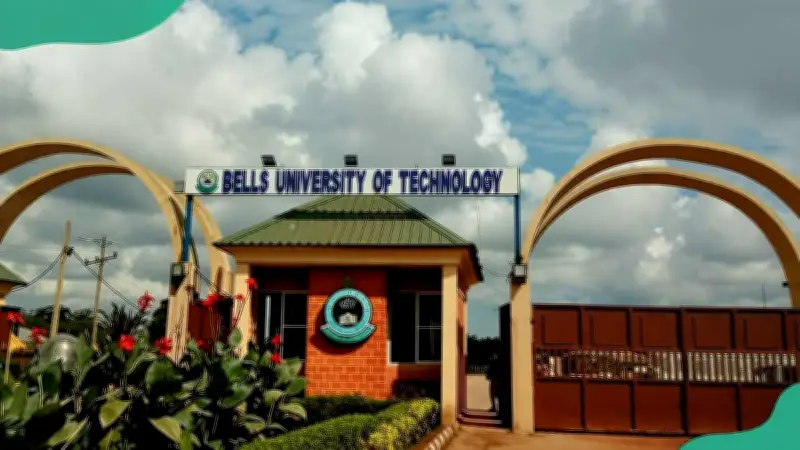
- Bells University of Technology — owned by former President Olusegun Obasanjo
- American University of Nigeria — owned by former Vice President Atiku Abubakar
- Amaj University — owned by former Sokoto State Governor Attahiru Bafarawa
- Hensard University — owned by former Bayelsa State Governor Seriake Dickson
- PAMO University of Medical Sciences — owned by former Rivers State Governor Peter Odili
- Crescent University — owned by former Attorney General Bola Ajibola
- Renaissance University — owned by former Enugu State Governor Chimaroke Nnamani
- Baze University — owned by former Senator Yusuf Datti Baba-Ahmed
- Gregory University — owned by former Abia State Governor Gregory Ibe
- Ahman Pategi University — owned by former Niger State Governor Aliyu Bahago Ahman-Pategi
- Edwin Clark University — owned by elder statesman Edwin Clark
- Sports University of Nigeria — owned by politician Ned Nwoko
- The Duke Medical University — owned by former Cross River State Governor Donald Duke
- Phoenix University — owned by former Nasarawa State Governor Abdullahi Adamu
- Unique Open University — owned by politician Chris Imumolen
Public Reactions to Political Ownership of Universities
The list has generated mixed reactions on social media. Some users questioned the timing of these investments. @UWASOMBA asked, “How many of these politicians opened a university before venturing into politics?” Others criticized the quality of education at such institutions. @Tolbat3 commented, “We have really bastardised university education in this country. When politicians set up a glorified secondary school and name it after themselves.”

@Ahmadsadeeq added additional institutions, including Baba Ahmed University in Kano, Al-Istiqama University in Sumaila, and Capital City University in Kano, noting their political owners. @richy_os observed, “As private primary & secondary schools destroyed the quality of public education, the same was the fate of the tertiary education, but for @NELFUND. Thank you, @officialABAT @NigEducation.”
@pataki_ro expressed concern about conflict of interest, saying, “Do you know how messed up it is if politicians own higher institutions like this in a country? It is a serious conflict of interest.” @Philadelphia625 asked, “How many of them are functional?” @lekzus007 mentioned Islamic Leadership University in Kuje, also owned by a former politician. @shola_olushola lamented, “Sadly, not a single one of them is free or as cheap as the Federal universities in Nigeria.”
Context: Most Expensive Private Universities in Nigeria
In a related development, Legit.ng previously reported on the most expensive private universities in Nigeria, with Wigwe University topping the list at annual tuition fees ranging from N9.6 million to N12 million. Seven of the ten most expensive institutions are located in the South West, highlighting the region's dominance in private education.
Faith-Based Universities in Nigeria
Legit.ng also covered private universities founded by churches and Christian organizations, including Covenant, Babcock, Bowen, and Redeemer’s universities. These faith-based institutions are distributed across North Central, South East, South South, and South West regions.
The growing number of private universities owned by politicians continues to spark debate about the intersection of politics, profit, and education quality in Nigeria.