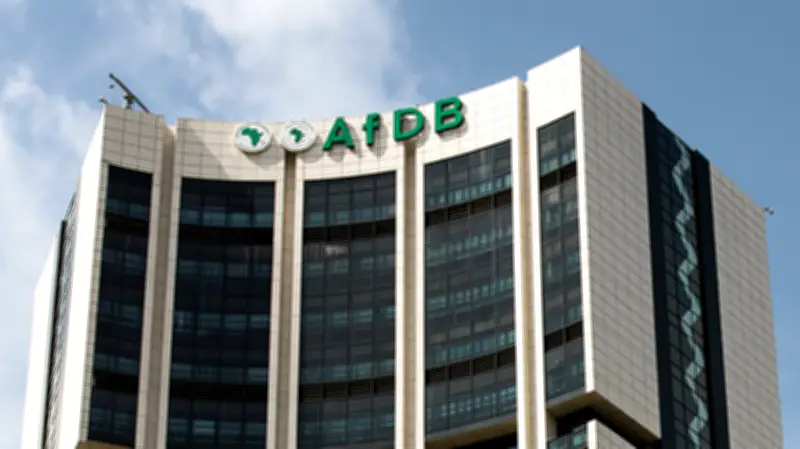
A new report has revealed that structural bottlenecks, delayed input delivery, and financial constraints have hindered the full impact of the African Development Bank’s (AfDB) $134 million National Agricultural Growth Scheme–Agro Pocket (NAGS-AP) wheat intervention across participating states in Nigeria.
Key Findings of the Report
The study, commissioned by ActionAid Nigeria and conducted by TSD Consult, found that although the NAGS-AP Wheat Intervention Programme expanded wheat cultivation and improved access to farm inputs during the 2023–2025 dry-season farming cycles, delays in federal approvals and logistical challenges led to the late delivery of inputs across beneficiary states.
Mr. Tunde Salman, Team Lead of TSD Consult, presented the report’s findings at a press conference in Abuja on Tuesday. He stated that delays in the delivery of fertilisers and other inputs had adversely affected wheat production under the programme. He noted that “late land preparation has resulted in portions of the wheat crop being excluded from the production cycle entirely, thereby suppressing the program’s potential output.”

Ghost Farmers and Counterpart Funding Issues
The findings further revealed that ghost farmers and political appointees infiltrated the beneficiary lists, crowding out legitimate smallholders. Additionally, farmers were unable to afford the 50 percent counterpart fund requirements, forcing many to sell their input allocations to agro-dealers.
Seed Varieties and Domestic Production
The report noted that while farmers reported that imported heat-tolerant varieties performed well compared to local strains, with yields increasing from an average of 13 bags to 20 bags per hectare, the continued importation exposed the absence of a robust domestic seed multiplication system.
ActionAid Nigeria’s Remarks
The Deputy Country Director of ActionAid Nigeria, Suwaiba Muhammad-Dankabo, said the programme was designed to reduce Nigeria’s heavy dependence on wheat imports, which currently account for about 90 percent of the country’s wheat requirements. She noted that the aim of the assessment was to determine whether intended beneficiaries, particularly smallholder farmers, women, youth, and persons with disabilities, were actually benefiting from the intervention.
She emphasized that sustainable wheat production expansion would require stronger institutions, improved seed systems, increased investment in irrigation infrastructure, and better integration of agricultural extension services.
Recommendations
ActionAid called on the Federal Government to develop a national wheat seed multiplication strategy, establish a zonal wheat suitability targeting framework, and introduce gender-sensitive agricultural financing mechanisms.
Mohammed-Dakwambo urged the NAGS-AP project management to enforce strict timelines for seed delivery before the end of October each year, improve access to redemption centres, and publish verified beneficiary lists at ward level to enhance transparency.
Other recommendations include strengthening federal and state ownership of the programme, deploying real-time public dashboards for project tracking, improving ICT infrastructure during redemption exercises, and investigating allegations of input diversion, adulterated agrochemicals, fertilisers, and uncertified seeds.
It further called for sanctions against agro-dealers found culpable of corrupt practices and urged greater awareness campaigns through farmer associations, community leaders, religious groups, and social media platforms.
State Government and Farmer Roles
For state governments, ActionAid recommended increased support for Agricultural Development Programme (ADP) extension agents, recruitment of more extension personnel (including women), and strengthening state ADP offices. The organisation also urged farmers and farmer-based organisations to maximise the use of inputs received and improve digital literacy to enhance participation in agricultural programmes.

Civil Society and Development Partners
It further encouraged civil society groups to utilise the Freedom of Information Act to demand accountability and sustain independent monitoring of government-funded agricultural interventions. ActionAid called on the African Development Bank and other development finance institutions to strengthen transparency requirements in funded projects, support anti-corruption measures, and institutionalise third-party monitoring by civil society organisations.
Muhammad-Dankabo urged the Federal Ministry of Agriculture and Food Security, the NAGS-AP Secretariat, the African Development Bank, and other stakeholders to act on the report’s recommendations. She said Nigerian wheat farmers, particularly women smallholders, deserve transparent, accountable, and result-oriented programmes capable of improving productivity and livelihoods.