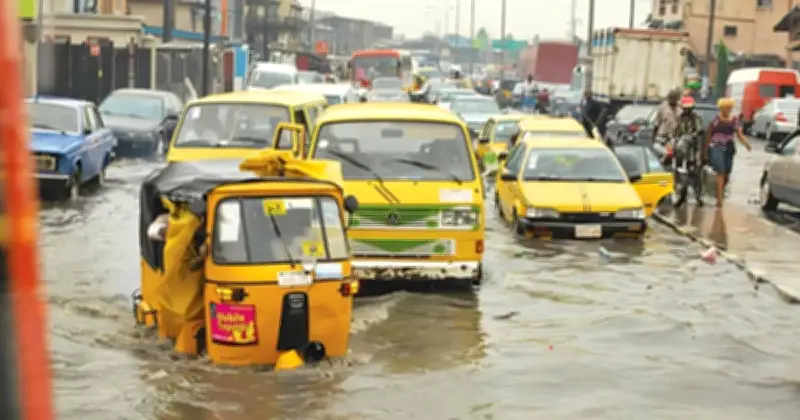
Heavy rainfall, blocked drainage systems and rising lagoon levels make communities like Lekki, Victoria Island, Isheri and Ikorodu among the most flood-prone areas in Lagos. During severe flooding, roads become impassable, vehicles are submerged and, in some neighbourhoods, residents have resorted to using canoes to move around. Here's why these seven Lagos communities flood so often and practical safety tips residents should follow during the rainy season.
Why flooding is so common in Lagos
Lagos is naturally vulnerable to flooding for several reasons. The city sits along the Atlantic Ocean and Lagos Lagoon, with many neighbourhoods built on low-lying coastal land. During heavy rainfall, water has nowhere to drain quickly. Human actions also make matters worse. Some of the biggest causes include blocked drainage systems filled with plastic waste, illegal construction on natural waterways, poor urban planning, rapid population growth, and rising sea levels caused by climate change. When intense rainfall coincides with high tides, floodwater can remain on roads and in homes for hours or even days.
1. Lekki
Lekki has become one of the most flood-prone areas in Lagos despite being one of the city's fastest-growing and most expensive locations. Many estates and major roads become submerged after prolonged rainfall. During severe flooding, videos often emerge showing submerged SUVs, while in the worst-hit streets, residents have even resorted to using canoes. Even roads like Admiralty Way and parts of Lekki Phase 1 have experienced severe flooding during heavy rains.

2. Victoria Island
Victoria Island is Nigeria's commercial powerhouse, yet it regularly struggles with flooding. After intense rainfall, roads around Ahmadu Bello Way, Akin Adesola, and surrounding streets often become impassable. Because much of Victoria Island sits close to the Atlantic Ocean, heavy rainfall combined with high tides often prevents floodwater from draining away quickly.
3. Ajegunle
Ajegunle has battled flooding for decades. Many streets become completely waterlogged whenever there is sustained rainfall; flooding is worse around Tolu, Wilmer and waterfront sections. Residents often wade through knee-deep water to reach schools, markets, and workplaces.
4. Ikorodu
Several parts of Ikorodu, especially low-lying communities such as Ijede, Igbogbo, Owutu and parts close to the lagoon, are especially vulnerable. Floodwater sometimes enters homes, and roads become difficult to navigate, disrupting transportation and daily business activities.
5. Isheri
Isheri, particularly areas bordering the Ogun River, experiences some of Lagos' worst flooding. Unlike flash floods caused only by rainfall, Isheri often suffers when water is released from upstream dams or when the Ogun River overflows after prolonged rain. Entire streets can disappear beneath floodwater, forcing residents to evacuate. Some families have had to use boats or canoes to leave their homes during severe flooding.
6. Agege
Agege frequently experiences flash flooding during heavy rainfall, especially areas like Pen Cinema, Old Abeokuta Road, and nearby drainage corridors. Roads become waterlogged within a short period, making transportation difficult. Motorists often abandon submerged vehicles, while pedestrians search for higher ground or wait for floodwaters to recede.
7. Surulere
Although Surulere is centrally located, several parts of the area flood frequently, experiencing flash flooding during periods of prolonged rainfall. Major roads such as Bode Thomas and adjoining streets can become submerged after hours of rainfall. As with many parts of Lagos, blocked drainage channels and ageing infrastructure make flooding worse.
How residents can stay safe during flooding
To mitigate risks during peak periods, emergency management authorities advise residents to take the following steps: Stop waste dumping — avoid using open drainage channels as refuse dumps, which acts as the primary trigger for neighbourhood flash floods. Clear neighbourhood drains — actively clear immediate property gutters to allow free flow to secondary canals. Avoid moving water — never attempt to drive or walk through submerged roads; hidden open drains pose fatal hazards.