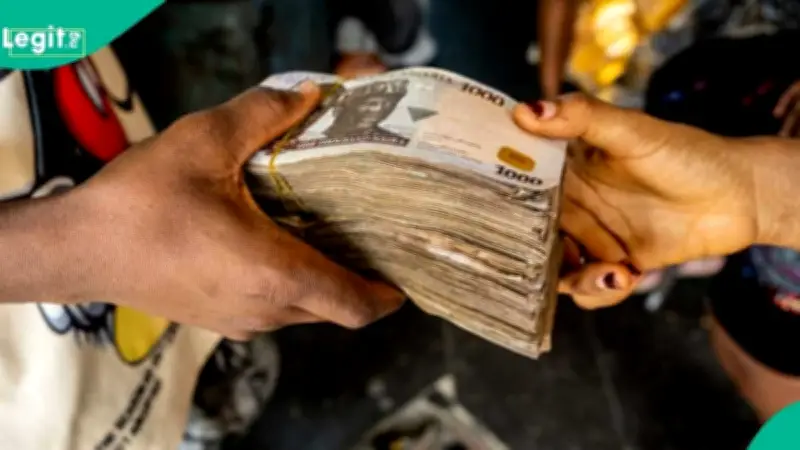
Currency outside Nigeria's banking system rose to N5.193 trillion in May 2026, up 2.16% from N5.083 trillion in April, according to data from the Central Bank of Nigeria (CBN). This marks a persistent reliance on cash in the economy despite the CBN's tight monetary stance aimed at managing inflation and stabilizing the financial system.
Cash Usage Remains Elevated
The May figure is slightly higher than the N5.188 trillion recorded in February, indicating that cash holdings remain elevated. Analysts attribute this trend to structural challenges in financial inclusion, inflation pressures, and consumer reliance on cash-based transactions in Africa's largest economy.
The CBN has maintained a tight monetary policy over the last few years, including mopping up excess liquidity, tightening credit conditions, and influencing the money supply. However, recent data show that cash usage outside the formal banking system continues to rise.

Private Sector Credit Rebounds
Banking sector credit to the private sector increased by 0.56% to N81.041 trillion in May from N80.585 trillion in April, suggesting a mild rebound in lending activity after a contraction in the previous month. However, credit levels remain well below recent highs. Private sector credit is still 14.34% lower than the February peak of N94.610 trillion and below the N93.743 trillion recorded in January.
Despite the recovery, credit remains 6.87% higher than December 2025 levels, reflecting cautious lending conditions in the banking sector.
Government Considers Tightening Cashless Policy
Meanwhile, the federal government is considering reinvigorating the cashless policy as part of broader efforts to curb kidnappings and related criminal activities. According to Leadership, the consideration comes amid intensified efforts by security agencies to dismantle kidnapping syndicates and cut off their funding sources.
CBN's Foreign Reserves Record First Gain in Five Months
Earlier, Legit.ng reported that Nigeria's foreign exchange reserves recorded their first increase in five months, boosting the CBN's efforts to support the naira's recovery. The increase was attributed to steady improvements in crude oil production and upbeat global oil prices.