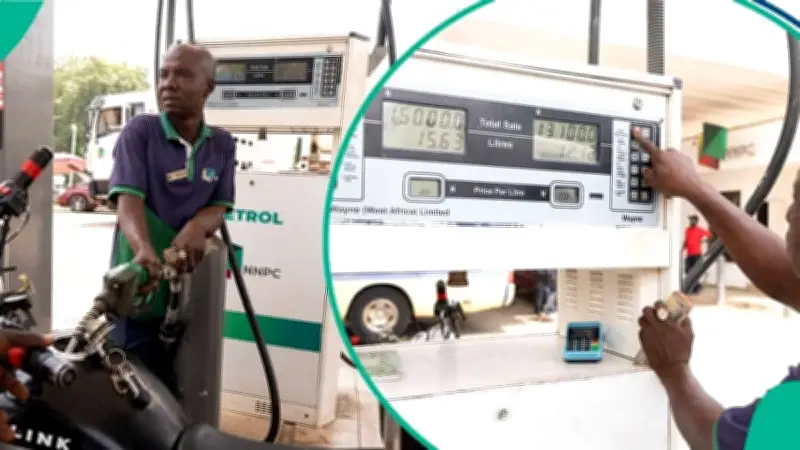
Global crude oil prices have fallen sharply from highs recorded during the recent Middle East supply scare, but petrol and diesel prices at Dangote Petroleum Refinery remain significantly elevated, raising fresh concerns among marketers and fuel retailers across Nigeria's downstream sector.
Crude Oil Price Decline
Brent crude closed the week at $87.33 per barrel, while U.S. West Texas Intermediate (WTI) settled at $84.88 per barrel. The latest decline pushed Brent to its lowest level since early March, signaling a major reversal from the rally that sent oil prices soaring above $110 per barrel in May.
Oil Market Correction
The global oil market has experienced one of its steepest corrections this year following renewed optimism over diplomatic talks between the United States and Iran. At the peak of the Middle East tension-driven rally in May, Brent crude traded around $113.70 per barrel, while WTI climbed to about $104.90 per barrel. Since those highs, Brent crude has dropped by more than 23 percent, while WTI has declined by roughly 19 percent.

Analysts attribute the sharp pullback largely to easing fears of supply disruptions through the Strait of Hormuz, a vital global oil shipping route. Reports suggesting progress in negotiations between Washington and Tehran have improved market sentiment and weakened speculative pressure on crude prices.
Dangote Fuel Prices Remain Elevated
Despite the sharp drop in international crude prices, fuel prices at Dangote Petroleum Refinery have not declined at the same pace. On March 2, when Brent crude traded at around $77.60 per barrel, Dangote Refinery raised its ex-depot petrol price from N774 per litre to N874 per litre. Diesel prices also jumped sharply a day later, increasing from N880 per litre to N1,050 per litre.
As crude prices surged in May, Dangote further raised petrol gantry prices to N1,275 per litre, while diesel climbed to N1,800 per litre. However, after global crude prices began falling, reductions in refinery prices remained relatively modest. Petrol prices were later adjusted downward to N1,250 per litre, representing only about a 2 percent decline from the peak price. Diesel prices were also reduced from N1,800 per litre to N1,700 per litre, a drop of roughly 5.6 percent.
Even after these adjustments, petrol prices remain about 43 percent higher than March levels, while diesel prices are still roughly 62 percent above rates recorded earlier in the year.
Marketers Push for Deeper Price Cuts
The situation has triggered growing frustration among depot owners, fuel marketers, and retailers who argue that domestic fuel prices should reflect the steep decline in global crude oil benchmarks. Industry operators say many marketers are still struggling with expensive inventories purchased during the peak pricing cycle. Rising borrowing costs, weaker profit margins, and slow stock turnover have also intensified pressure across the downstream market.
Several marketers argued that deeper reductions in gantry prices would help improve liquidity, support retail operations, and offer much-needed relief to consumers already battling high transportation and energy costs.
Analysts Cite Other Pricing Factors
Energy analysts caution that refinery pricing is not determined solely by crude oil prices. They note that foreign exchange volatility, feedstock acquisition costs, financing obligations, logistics expenses, and inventory replacement strategies all contribute to the final ex-depot pricing structure.
With Brent crude now trading at its lowest level since March and significantly below its May peak, attention is increasingly turning to whether Dangote Refinery and other market players will introduce more substantial reductions in petrol and diesel prices in the coming weeks.

Petrol Landing Cost Crashes
Earlier reports indicated that the cost of importing petrol into Nigeria has dropped sharply following the recent decline in global crude oil prices, creating fresh competition for local refiners, including the $20 billion Dangote Refinery. New data released by the Major Energy Marketers Association of Nigeria (MEMAN) shows that the landing cost of imported Premium Motor Spirit (PMS) has fallen to N1,117 per litre as of June 4, 2026. This figure is now significantly lower than Dangote Refinery's gantry price of N1,250 per litre, leaving a difference of N133 per litre.