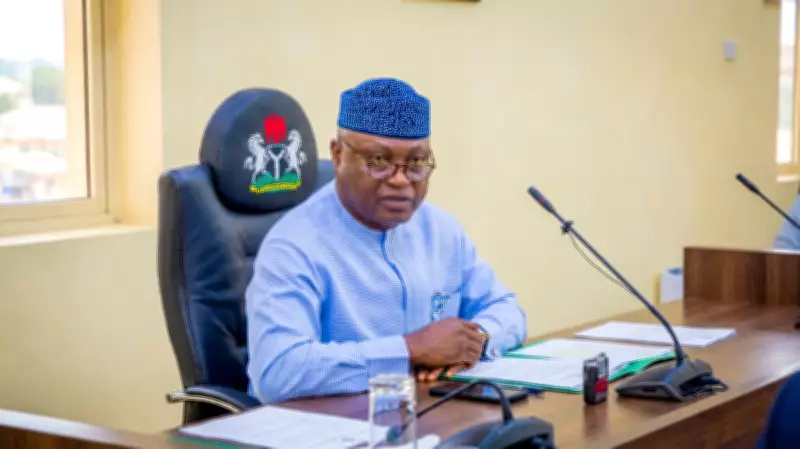
The Ekiti State Government has announced its ambition to become the leading producer of broilers in Nigeria, with a target of creating 5,000 jobs for youths in the broiler production value chain. This declaration was made by the Commissioner for Agriculture and Food Security, Mr. Ebenezer Boluwade, during the opening ceremony of a training program for Ekiti youth in broiler production and good animal husbandry practices held in Ado-Ekiti.
Ekiti Broiler Production Scheme (EBOPS) Progress
According to Boluwade, the Ekiti State Broiler Production Scheme (EBOPS) was launched in 2023 with 20 participants at the Livestock Development Centre (LDC) in Erifun, Ado-Ekiti, starting with a stock of 10,000 birds. The state government undertook extensive renovations of rearing pens, warehouses, offices, and residential buildings at the LDC, and provided participants with feed, day-old chicks (DOC), drugs, vaccines, and anti-stress supplements to promote independent indigenous entrepreneurship in poultry business.
Since its inception, the scheme has expanded to six additional rearing centers across the state and has graduated over 200 participants in four cohorts. More than 150,000 birds have been raised and sold within and outside Ekiti. The program has successfully engaged youths in broiler production, and this training aims to build capacity in the production value chain to minimize costs and maximize profits.

Livestock Productivity and Resilience Support Project (L-PRES)
The Commissioner highlighted that the Livestock Productivity and Resilience Support Project (L-PRES) is making significant progress, positioning Ekiti as a hub for poultry production in Nigeria. The state has received clearance to establish a broiler processing plant, which will eliminate the need to transport live mature birds out of the state for processing, thereby reducing business risks. Youths in EBOPS will be able to process their birds for value addition, increasing their profit margins. Additionally, three farmer field schools have been established across the three senatorial districts to provide farmers with on-field innovations and training.
Boluwade stated, “In this training, we are targeting about 500 youths. But in total, our objective in the next three years is to have more than 5,000 of these youths. The focus is on the entire management, including producers, midstream, and downstream operations.”
Government Support and Partnerships
In his welcome address, the Permanent Secretary, Ojo Ebenezer Babtope, noted that the training program on poultry-focused Good Animal Husbandry Practices (GAHP) is designed to strengthen the technical capacity of farmers, particularly participants in EBOPS. He emphasized that the government is implementing a 50% subsidy on agro-inputs and land preparation activities, as well as strategic partnerships with private sector players such as Agbeyewa and YSJ Farms to drive investment and innovation.
Babtope also mentioned the establishment of the “Ounje Ekiti” marketing hub to facilitate access to affordable, locally produced food commodities. Despite these gains, he acknowledged that the agricultural sector continues to face structural challenges, particularly in adherence to Good Animal Husbandry Practices, which are essential for productivity and profitability in livestock enterprises.
Training Program Details
In his remarks, the lead consultant of Synergy Impact Consultant Ltd, Mr. Abiola Salako, who partners with the government on the training program, said that participants are expected to develop their own farms. They are also being trained on the proper use of antibiotics, as unhealthy birds can affect human health. Salako suggested that farmers could use organic acids and microbiotics as alternatives.