Federal Government Commissions Nigeria's Largest Lithium Processing Facility
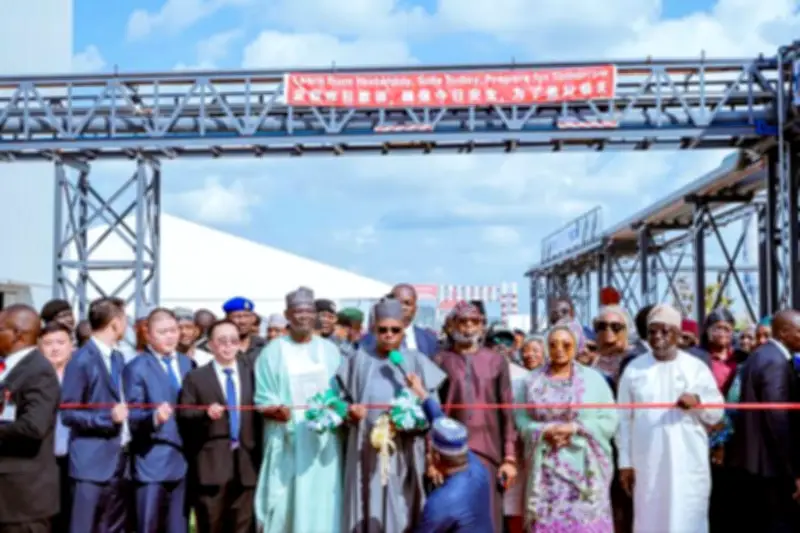
The Federal Government of Nigeria has officially inaugurated a 6,000 metric tonne lithium processing plant in Nasarawa State, marking a significant milestone in the country's mining sector. The plant, described as the largest of its kind in Nigeria, is expected to process lithium ore for both domestic use and export, aligning with the government's push for value-added mineral processing.
Speaking at the inauguration ceremony, the Minister of Solid Minerals Development, Dr. Dele Alake, emphasized that the facility represents a critical step toward realizing the nation's potential in the global lithium market. He noted that lithium is essential for battery production, electric vehicles, and renewable energy storage, making this investment pivotal for Nigeria's economic diversification.
Details of the Lithium Processing Plant
The plant, located in the Karu Local Government Area of Nasarawa State, has a processing capacity of 6,000 metric tonnes per annum. It is equipped with modern technology to extract and refine lithium from spodumene ore, a key mineral found in several Nigerian states. According to the Ministry of Solid Minerals Development, the facility will create over 500 direct jobs and thousands of indirect employment opportunities in the region.

Dr. Alake stated, "This plant is a testament to our commitment to adding value to our solid minerals before export. We are moving away from exporting raw minerals and embracing local processing to maximize benefits for Nigerians." He added that the government is providing incentives to attract more investors into the mining sector.
Economic Impact and Strategic Importance
The inauguration of the lithium processing plant is expected to boost Nigeria's revenue from solid minerals, which currently contributes less than 1% to the GDP. The global demand for lithium has surged due to the rise of electric vehicles and renewable energy technologies, and Nigeria aims to become a key player in the lithium supply chain.
Governor of Nasarawa State, Abdullahi Sule, who was present at the event, highlighted that the plant would enhance the state's economic base and reduce unemployment. He said, "This is a historic day for Nasarawa and Nigeria. The lithium processing plant will transform our local economy and position us as a hub for mineral processing in Africa."
Government's Vision for Mineral Processing
The Federal Government has been implementing policies to encourage local processing of solid minerals, including lithium, gold, and iron ore. The Mining Roadmap includes tax breaks, infrastructure support, and streamlined licensing for companies that establish processing plants in Nigeria.
According to the Ministry, several other lithium processing plants are in the pipeline, with investments from both local and international firms. The government aims to increase the mining sector's contribution to GDP to 3% by 2030.
Challenges and Future Prospects
Despite the positive development, challenges remain in the mining sector, including illegal mining, inadequate infrastructure, and security concerns. The government has pledged to address these issues through enhanced regulation and community engagement.
Industry experts believe that the lithium processing plant will attract more investors and boost confidence in Nigeria's mining sector. The plant is expected to start commercial operations within the next quarter, with initial output destined for export markets in Asia and Europe.