The Federal Government has officially unveiled Nigeria's first Manu-Tech Unipod, a mobile manufacturing and technology hub designed to accelerate innovation in the country's industrial sector. The initiative, spearheaded by the Ministry of Science, Technology and Innovation, aims to provide hands-on training and prototyping facilities for entrepreneurs, engineers, and students.
What is the Manu-Tech Unipod?
The Manu-Tech Unipod is a self-contained, mobile unit equipped with advanced manufacturing tools, including 3D printers, CNC machines, and electronics workstations. It is designed to travel to different regions, making manufacturing technology accessible to communities that lack such infrastructure. According to the Minister of Science, Technology and Innovation, Dr. Adeleke Mamora, the Unipod is part of the government's strategy to promote local production and reduce dependence on imported goods.
Launch Event and Key Participants
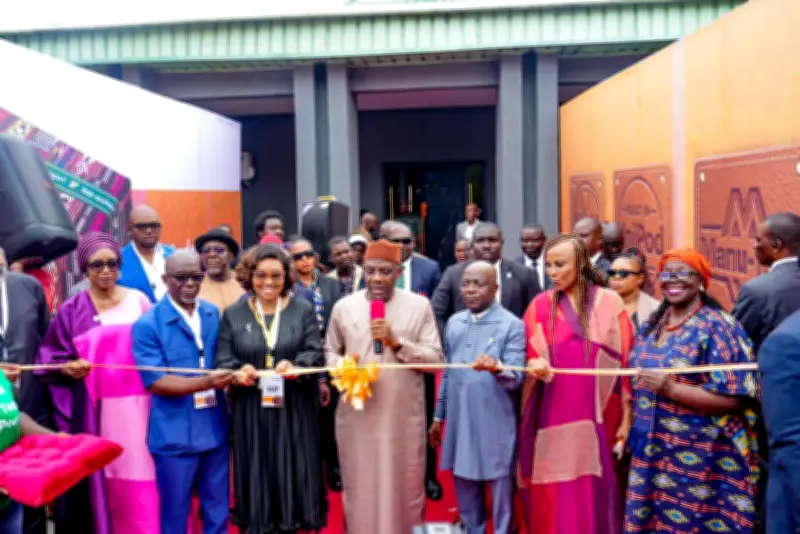
The launch event, held at the National Board for Technology Incubation (NBTI) headquarters in Abuja, was attended by industry stakeholders, academics, and government officials. Dr. Mamora stated, "This Unipod represents a significant step towards democratizing manufacturing technology in Nigeria. It will empower our youth and small businesses to create solutions for local challenges." The project is a collaboration between the NBTI and private sector partners, including technology firms and engineering companies.

Impact on Local Manufacturing
The Unipod is expected to train over 5,000 individuals in its first year of operation, focusing on skills such as product design, rapid prototyping, and digital fabrication. It will also serve as a platform for startups to test and refine their products before mass production. The initiative aligns with the National Development Plan (NDP) 2021-2025, which prioritizes industrialization and technological advancement.
Future Plans and Expansion
The government plans to deploy additional Unipods across all six geopolitical zones of Nigeria over the next three years. Each unit will be customized to address the specific manufacturing needs of its host region, such as agro-processing in the north or electronics in the south. The project has received funding from the National Research and Innovation Fund (NRIF) and technical support from international partners.