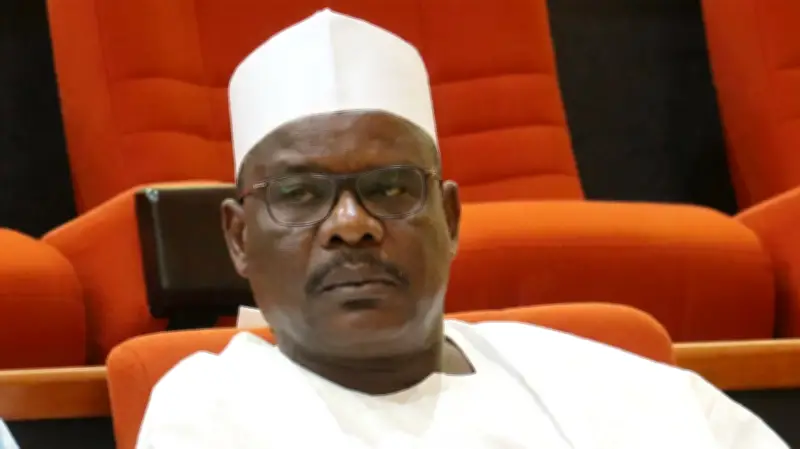
Senator Mohammed Ali Ndume, Chairman of the ECOWAS Parliament Committee on Agriculture, has urged West African governments to allocate at least five per cent of their annual budgets to rural development and renewable energy projects. He argued that less than $1 million can transform a rural community through access to electricity and related infrastructure.
Ndume made the call during a joint committee meeting of the ECOWAS Parliament in Dakar, where lawmakers, development finance experts, and energy stakeholders examined innovative financing options for renewable energy projects across the sub-region.
The Nigerian lawmaker emphasized that rural electrification through renewable energy remains financially achievable for governments and could significantly improve agriculture, security, local economies, and living standards in underserved communities.

Drawing from figures presented during the meeting, Ndume noted that a solar photovoltaic project costing approximately $7.6 million to electrify 50 communities translates to less than $1 million per community. "For less than $1 million, you can modernise a rural area," he said.
According to him, providing electricity to rural communities would stimulate economic activities, reduce migration to urban centres, and support agricultural productivity. "Once you do this, you are bringing rural development, security and agriculture. People will have no reason to leave their communities because development will come to them," he added.
Ndume acknowledged the limited legislative powers of the ECOWAS Parliament but urged lawmakers to continue advocating stronger financial commitments to renewable energy and rural development. "We may not have teeth, but we can bite," he said, pledging to champion similar initiatives in Nigeria.
The discussions came as the ECOWAS Bank for Investment and Development (EBID) disclosed that renewable energy accounts for only four per cent of its current energy financing portfolio, despite the region's vast renewable energy potential and growing demand for electricity in rural communities.
Speaking on the theme "Financing Renewable Energy in Rural Areas: Challenges and Opportunities," EBID representative Maimouna Sidibe said the bank had traditionally focused on financing large-scale grid infrastructure, regional interconnections, and mature energy projects with predictable revenues.
Meanwhile, the U.S. State of California Secretary of Transportation, Toks Omishakin, yesterday commended efforts to expand Compressed Natural Gas (CNG) infrastructure in Nigeria, describing it as a practical and timely solution to rising fuel costs and global energy challenges.
This came as the Chief Executive Officer and Founder of Portland Gas Limited, Folajimi Mohammed, called for maximum utilisation of the country's natural gas reserves.
Speaking during a visit to Portland Gas' newly established CNG facility in Lagos, Omishakin said Nigeria must continue to explore alternative energy sources capable of making transportation and energy more affordable for citizens.
The California transportation chief, who toured the facility alongside former Lagos State lawmaker and Portland Gas founder Mohammed, said the project demonstrates the kind of innovation needed to address current economic and environmental realities.