On Saturday, 20 June, from 8:30 a.m., Ekiti residents will head to 2,445 polling units to elect their next governor. However, a striking fact defines this election: not a single woman is contesting for the office. For a state often praised for its relatively high literacy rates, the absence of women on the governorship ballot underscores the persistent barriers women face in Nigeria's highest elective offices.
Efforts to Increase Women's Representation
Over the years, efforts to boost women's representation in elective positions have been made, but progress remains limited. Ahead of successive election cycles, political parties, civil society groups, and lawmakers proposed reforms to improve women's participation. However, many of these initiatives have faced legislative hurdles or failed to secure the necessary political support for implementation.
According to the candidate list published by the Independent National Electoral Commission (INEC), all governorship candidates are men, with only four women nominated for the deputy governorship role. In contrast, the 2022 election featured two female candidates and seven female deputy candidates among 16 contenders. This year, over one million voters registered for the electoral process, an improvement from the 900,000 voters in the previous election.

The Contestants
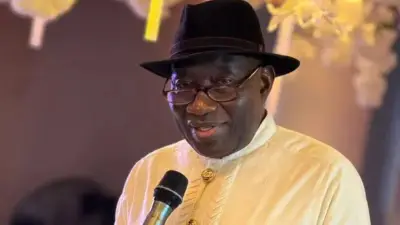
Fourteen contestants are vying for the seat. The incumbent governor, Biodun Oyebanji, 58, is seeking reelection on the platform of the All Progressives Congress (APC), with Monisade Afuye, 67, as his running mate. The Labour Party (LP) is presenting Olajuyin Oyebanji, 67. Other candidates include David Falegan (Accord), Olu Omotosho (Action Alliance), Patrick Bejide (African Democratic Congress), Ayodeji Ojo (ADP), Olarenwaju Anifowose (APM), Olaiya Awogbemi (Action Peoples Party), Praise Ayodele (Peoples Redemption Party), Ayodele Osinkolu (Young Progressives Party), Wole Oluyede (Peoples Democratic Party), and Damilola Adetunji (Zenith Labour Party). Among the younger contenders are Abegunde Blessing of the New Nigeria Peoples Party (NNPP), 35, and Akande Samuel of the African Action Congress (AAC), 36.
Unlike the 2022 contest, analysts view the upcoming election as a predictable victory for the incumbent. The 2022 election was a three-way contest between Mr Oyebanji, former governor Segun Oni of the Social Democratic Party (SDP), and Bisi Kolawole of the Peoples Democratic Party (PDP). Mr Oyebanji won decisively with 187,057 votes, beating Mr Oni (82,211) and Mr Kolawole (67,457). Notably, the outcome relegated the PDP to third place for the first time since 1999, allowing the SDP to emerge as the state's dominant opposition party.
Women Representation
The absence of female candidates reflects a broader national trend. Despite years of advocacy for increased women's participation, Nigeria's politics remains overwhelmingly male-dominated, particularly in executive positions. Women constitute roughly half of Nigeria's population and voting-age citizens, yet they remain severely underrepresented in elective offices.
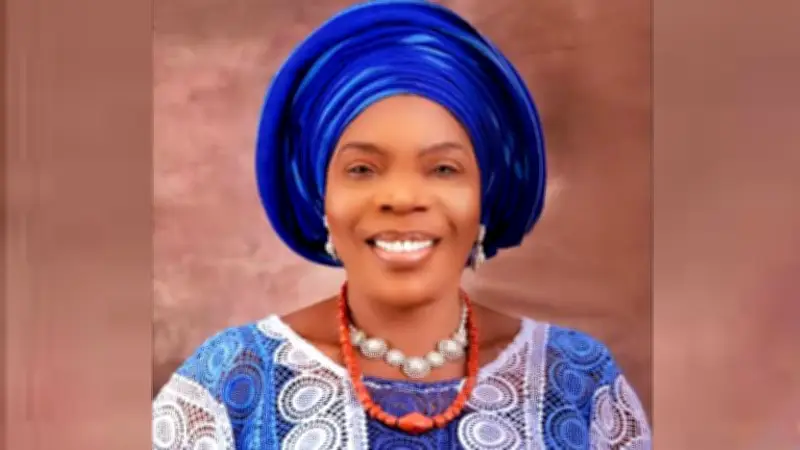
The female deputy governorship candidates are Ms Afuye of the APC, the incumbent deputy governor and running mate to the state's governor. The three other female deputy candidates are from smaller parties on the ballot, including Dorcas Adebiyi of PRP, Adenike Ilesanmi of APM, and ADP's Itunu Ibitoye. Although their presence shows efforts at representation, gender advocates argue that deputy positions often reflect parties' attempts to demonstrate inclusiveness without relinquishing control of the top office.
Why No Female Candidate for Governor?
Jide Ojo, a development consultant, described Nigeria's inability to produce a female governor as an age-long challenge rooted in patriarchy. The public affairs analyst called the situation a very sad commentary on Nigeria's democratic journey. He expressed hope that President Bola Tinubu would implement gender policies, demonstrating the love for women that he showed to his wife, Oluremi Tinubu, the First Lady of Nigeria and the first woman to serve three terms in the Nigerian Senate, representing Lagos Central from 2011 to 2023.

Mr Ojo noted that advocacy and constitution-backed affirmative action could minimize this issue. He said the absence of women on the ballot is largely due to the political system. For political parties like PDP, APC, APGA, ADC, and NDC, none has a significant number of women in their National Working Committee or State Working Committee, where change should start.
Gbenga Adesunloro explained that aspiring to political roles requires significant resources and risk tolerance, which many women lack. The political analyst called for conditional provisions to help more women enter politics. He noted that acquiring political followership, financial stability, and networks are crucial for success, and without these, it remains difficult for women to gain strategic political positions.
The Incumbent Deputy Governor
Ms Afuye, the current deputy governor, is the most prominent woman on the 2026 ballot. Benefiting from both her incumbency and affiliation with the governing APC, she holds a distinct advantage over other female candidates. Whether her involvement can trigger a political shift remains an open question. However, the 2026 Ekiti governorship election will not produce the state's first female governor; the ballot has ensured that.
Reaching the 35% Benchmark
Reaching the 35% women's representation benchmark in Nigeria would be a significant milestone, said Bukky Shonibare, executive director of Invictus Africa, a civic-tech company focusing on human rights and gender equality. Ms Shonibare said achieving it would demonstrate the country's commitment to gender equality and inspire confidence among women and girls. By establishing itself as a leader in inclusivity, Nigeria would foster social unity and sustainable growth essential for its future.