The Nigerian Senate on Tuesday advanced a bold legislative push to reduce the country's estimated $2 billion annual rice import bill by intensifying domestic food production and building a more resilient agricultural economy.
Senate Adopts Strategic Bills
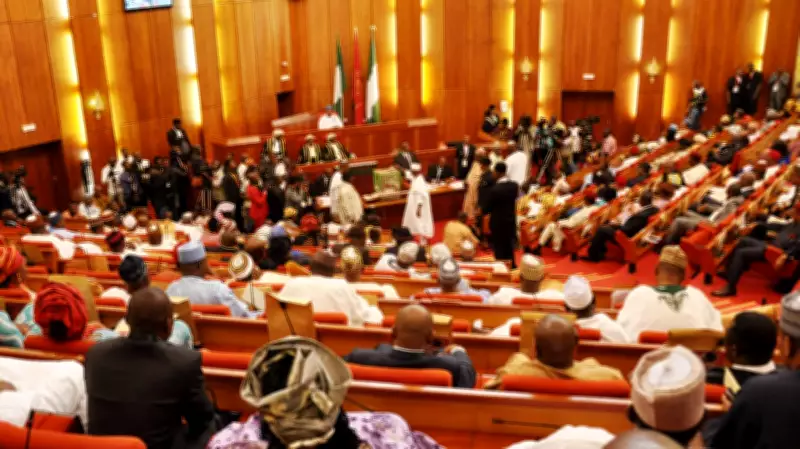
At plenary, the upper chamber received and adopted committee reports on three strategic bills aimed at boosting local capacity, stabilising food supply, and reducing dependence on foreign imports.
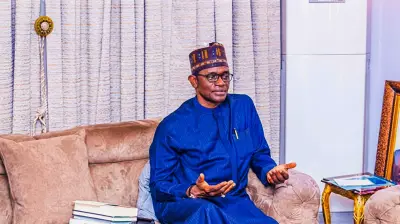
Chairman of the Senate Committee on Agricultural Production Services and Rural Development, Senator Saliu Mustapha (Kwara Central), presented the reports, stating that the proposed laws represent critical interventions to reposition Nigeria's agricultural sector.

The Proposed Legislation
The bills include:
- National Food Reserve Agency Bill – sponsored by Senator Mustapha
- Mandatory Cassava Inclusion in Flour Production Bill – also sponsored by Senator Mustapha
- National Rice Council Board Bill – sponsored by Senator Adamu Aliero (Kebbi Central)
Key Objectives
Mustapha explained that the National Food Reserve Agency Bill seeks to establish a coordinated national system for grain storage, ensuring food availability and stabilising market prices, particularly during periods of scarcity.
On the cassava policy, he said the bill would mandate a minimum of 20% cassava inclusion in flour production, a move expected to reduce Nigeria's reliance on imported wheat while promoting local agriculture and industrial use of cassava.
Highlighting the urgency of reforms in the rice sector, the lawmaker noted that Nigeria currently spends about $2 billion annually on rice imports. He said the proposed National Rice Council Board Bill is designed to reverse this trend by coordinating production, processing, and distribution nationwide.
“The goal is to build a full agricultural value chain from farm to reserve, to processing,” Mustapha said, stressing that the measures would enhance economic stability, create jobs, and promote national self-sufficiency.
The Senate unanimously passed the bills, which will now be transmitted to the House of Representatives for concurrence before being forwarded to President Bola Ahmed Tinubu for assent.