Recurring Floods in Lagos: The Case of Kunsela, Ologolo, and Gbagada
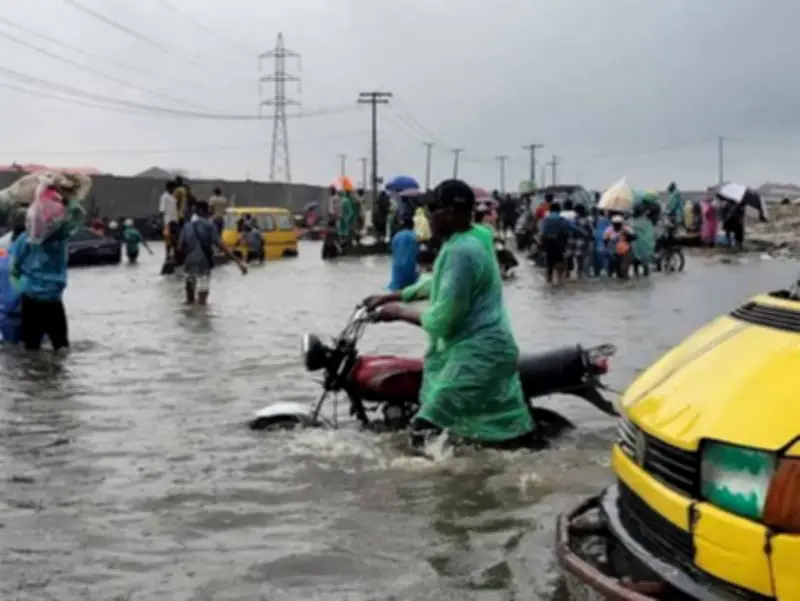
Residents of Kunsela, Ologolo, Gbagada, and other low-lying areas in Lagos have long endured seasonal flooding, which experts attribute to a combination of inadequate drainage infrastructure, climate change-induced heavy rainfall, and rapid urbanisation. The Lagos State Government has identified these zones as high-risk flood areas, with annual flooding causing significant property damage and displacing thousands.
Poor Drainage Systems and Blocked Channels
A major cause of flooding in these communities is the poor state of drainage systems. Many drains are clogged with solid waste, reducing their capacity to channel rainwater. According to the Lagos State Waste Management Authority, over 10,000 tonnes of waste are generated daily, much of which ends up in waterways. "The primary challenge is the indiscriminate dumping of refuse into drainage channels," said a spokesperson for the Lagos State Ministry of the Environment. "This blocks the flow of water, leading to overflow during heavy rains."
Climate Change and Extreme Weather Events
Climate change has intensified rainfall patterns in Lagos. Data from the Nigerian Meteorological Agency shows that annual rainfall has increased by 20% over the past decade, with more intense downpours. In 2025, Lagos recorded over 1,800 mm of rain, exceeding the long-term average. "We are seeing more extreme rainfall events that overwhelm existing drainage systems," noted Dr. Adebayo Ogunleye, a climate scientist at the University of Lagos. "This trend is expected to continue, making flooding more frequent."

Urbanisation and Loss of Natural Floodplains
Rapid urbanisation has led to the construction of buildings on natural floodplains and wetlands, which previously absorbed excess rainwater. The Lagos State Physical Planning Authority reports that over 30% of buildings in flood-prone areas lack proper planning permits. "Unregulated development has reduced the city's natural ability to manage stormwater," said Tunde Ogunbiyi, an urban planner. "Concrete surfaces prevent water from percolating into the ground, increasing runoff."
Government Response and Mitigation Efforts
The Lagos State Government has initiated several flood control projects, including the dredging of major canals and the construction of new drainage channels. In 2026, the government allocated N50 billion for flood management. However, residents complain that efforts are insufficient. "We see trucks clearing drains, but the flooding persists," said a resident of Gbagada. "The government needs to enforce laws against building on drainage paths and provide better waste collection services."
Impact on Residents and Economy
The economic cost of flooding is substantial. A 2025 study by the Lagos Chamber of Commerce and Industry estimated that annual flood damage costs the city over N200 billion in lost property, business disruption, and health expenses. In Kunsela, residents report that floods submerge homes for days, destroying belongings and increasing the risk of waterborne diseases. "Every rainy season, we live in fear," said a local trader. "Our shops are flooded, and we lose our goods."
Long-Term Solutions Needed
Experts call for a comprehensive approach that includes improved waste management, stricter building regulations, and investment in green infrastructure such as rain gardens and permeable pavements. "We need to shift from reactive to proactive flood management," urged Dr. Ogunleye. "This requires collaboration between government, communities, and private sector." The Lagos State Government has promised to review its flood management strategy, but residents remain skeptical.