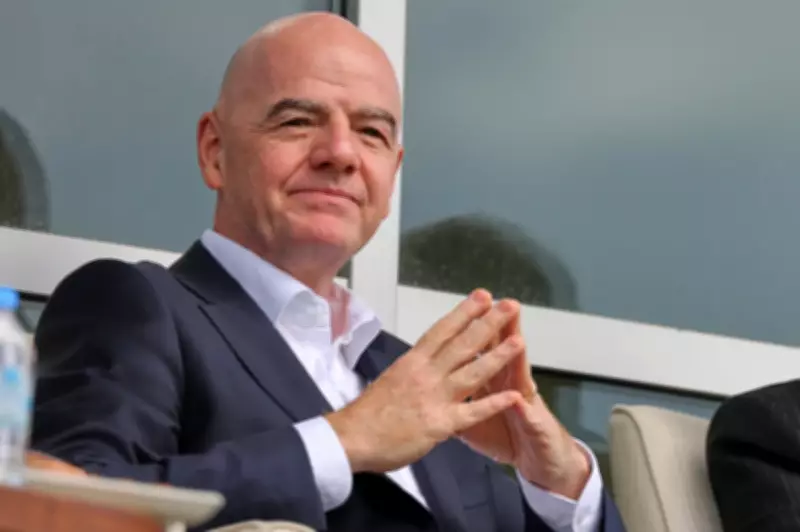
Authorities in Vancouver have declined a request by world football governing body FIFA for a high-level security motorcade for its president, Gianni Infantino, during the organisation’s annual congress in the Canadian city.
Security Request Denied
FIFA had sought a Level 4 police escort, a designation that would have allowed Infantino’s motorcade to bypass traffic controls, including running red lights, to ensure priority movement. The level of security requested is typically reserved for top-tier global figures and ranks just below that provided for the Pope, while aligning with protections afforded to the President of the United States and exceeding those usually granted to Canada’s prime minister.
However, the Vancouver Police Department rejected the request, citing concerns over the cost implications for local taxpayers and the potential disruption to traffic across the city. The development was first reported by journalist Jordan Armstrong of Global BC and has since been picked up by several international media outlets, including The Times and the Irish Examiner.

Local Authorities Remain Silent
Local authorities have not issued a formal public statement detailing the decision, but the refusal reflects long-standing protocols governing security arrangements for visiting dignitaries in Canada, where such privileges are tightly controlled and rarely extended beyond heads of state.
Similar Incident in 2023
The incident mirrors a similar episode in 2023, when New Zealand police declined a comparable request from FIFA for Infantino during the 2023 FIFA Women’s World Cup. Officials at the time also pointed to established security guidelines in rejecting the proposal.
Scrutiny Over 2026 World Cup Costs
The latest decision comes as scrutiny grows over logistical planning, security costs and public spending tied to the expanded 2026 FIFA World Cup, which will be jointly hosted by Canada, the United States and Mexico. The tournament, set to be the largest in FIFA’s history with an increased number of participating teams and host cities, has already prompted debate over infrastructure readiness, security coordination and the financial burden on host nations.