House Committee Applauds Dangote Refinery as Nigeria Transitions to Net Petrol Exporter
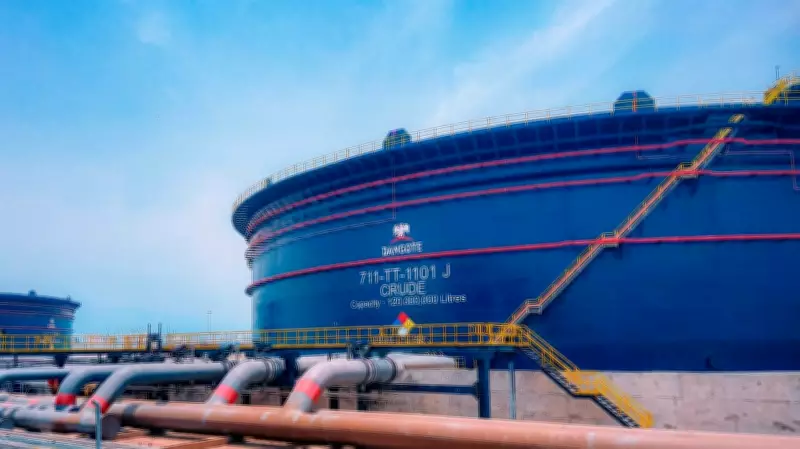
The House of Representatives Committee on Petroleum Resources (Downstream) has lauded the Dangote Petroleum Refinery and Petrochemicals for achieving a significant milestone, describing it as a major boost to Nigeria's energy sector and a validation of ongoing reforms in the downstream petroleum industry. This development comes as Nigeria reached a historic turning point in March 2026, when the Lekki-based refinery exported more refined petrol than the country imported, making Africa's largest crude oil producer a net exporter of refined fuel for the first time.
Data Highlights Export Surplus and Reduced Imports
According to market intelligence firm Kpler, data shows that the Dangote Refinery shipped 44,000 barrels per day (bpd) of petrol during March 2026, while national imports fell to 41,000 bpd, the lowest level on record. This resulted in a surplus of about 3,000 bpd, effectively ending a long-standing structural anomaly where Nigeria exported crude oil but relied heavily on imported refined products due to insufficient domestic processing capacity.
Crude supply to the 650,000 bpd refinery increased to approximately 565,000 bpd in March, representing the second-highest throughput since operations began in late 2023, indicating sustained large-scale utilization and operational efficiency.

Attribution to Policy Reforms and Private Sector Impact
Aliko Dangote, President and Chief Executive of Dangote Industries Limited, attributed this achievement to the economic and energy sector reforms implemented by President Bola Ahmed Tinubu. He emphasized that these reforms created favourable policy conditions for large-scale domestic refining and restored investor confidence in the sector.
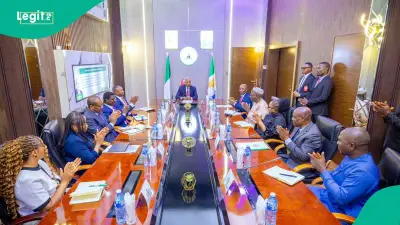
In a statement issued by the Chairman of the Committee, Hon. Ikenga Ugochinyere, lawmakers described this development as a watershed moment for Nigeria's downstream petroleum industry. They noted that it signals the beginning of stabilized domestic refining capacity, which is crucial for the country's energy supply chain.
Committee's Commendation and Future Expectations
The committee hailed the achievement as a national pride milestone, reflecting the growing impact of private sector investment in addressing long-standing inefficiencies within the petroleum value chain. It commended the performance of the Dangote refinery, stating that the transition from heavy import dependence to net export status, even if marginal, demonstrates the potential of local refining to transform Nigeria's economic structure.
Lawmakers added that this development is expected to ease pressure on foreign exchange demand, improve fuel availability, and strengthen energy security if sustained over time. They also urged regulatory agencies to ensure transparency, efficiency, and the protection of critical petroleum infrastructure to preserve the gains recorded in the sector.
Commitment to Legislative Support
The committee reaffirmed its commitment to providing legislative backing for policies that promote domestic refining, support industrial growth, and position Nigeria as a leading energy hub in Africa. This move aims to build on the current momentum and ensure long-term benefits for the nation's economy and energy independence.