DAWN and BRACE Commissions Forge Unified Economic Strategy for Lagos-Calabar Coastal Highway
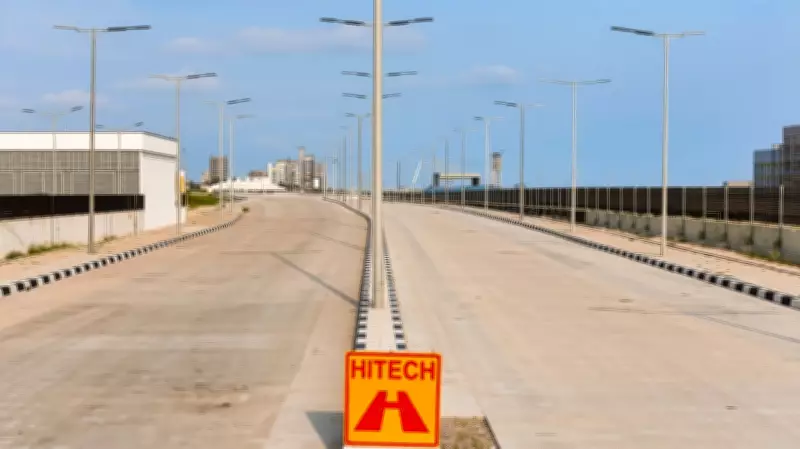
Stakeholders from the South-West and South-South regions of Nigeria have initiated coordinated efforts to leverage the extensive economic opportunities anticipated from the 750-kilometre Lagos-Calabar Coastal Highway. They characterize this ambitious project as a potential catalyst for long-term national economic transformation, provided it is meticulously planned and managed. At a high-level engagement organized by the Development Agenda for Western Nigeria (DAWN) Commission in Ibadan, representatives from the BRACE Commission, which includes Bayelsa, Rivers, Akwa Ibom, Cross River, and Edo states, alongside government officials, development experts, and private sector stakeholders, unanimously agreed on the necessity for joint planning frameworks to optimize investments along the coastal corridor.
Projections and Strategic Planning for Economic Growth
Participants at the event emphasized that strategic utilization of the opportunities generated by the highway could substantially expand Nigeria's economic output. Projections indicate that the country's Gross Domestic Product (GDP) might surge to between $1.4 trillion and $14 trillion over the next 50 years. The meeting, themed "Unlocking Economic Potentials of the Lagos-Calabar Coastal Highway: Land Governance and Regional Alignment for the Southwest Corridor," assembled representatives from South-West states, professionals across various sectors, and policy stakeholders to outline a coordinated development pathway.
Dr. Seye Oyeleye, Director-General of the DAWN Commission, explained that the engagement was convened to prevent states along the corridor from adopting fragmented development approaches that have historically undermined previous infrastructure projects. He described the coastal highway as Nigeria's most significant infrastructure initiative in over six decades, underscoring that early planning is crucial for maximizing its economic benefits. "The biggest infrastructure programme in the last 65 years requires structured development to avoid the mistakes of the past," Oyeleye stated, highlighting that collaboration among Lagos, Ogun, and Ondo states, along with their South-South counterparts, would facilitate the establishment of industrial, green, and tourism zones along the corridor.

Proposals for Joint Supervision and Economic Projections
According to Oyeleye, stakeholders are contemplating the formation of a joint supervisory body to coordinate development activities and ensure uniform standards across participating states. Guest lecturer and Managing Director of Makaya Consult, Eko Atlantic City, Olawale Opayinka, projected that developments along the coastal corridor could generate enterprise value reaching trillions of dollars if managed effectively. Additionally, Director-General of the BRACE Commission, Joe Keshi, reinforced the call for deliberate planning, asserting that infrastructure alone does not guarantee economic transformation.
The meeting concluded with a resolution to pursue the creation of a joint regional development mechanism to oversee growth along the corridor. It was noted that sustained collaboration between states and the Federal Government will be pivotal in determining whether the Lagos-Calabar Coastal Highway evolves into a transformative economic corridor or becomes another instance of missed infrastructure potential.