IMF Data Exposes Top 10 African Countries with Highest Debt in 2026, Nigeria Not Included
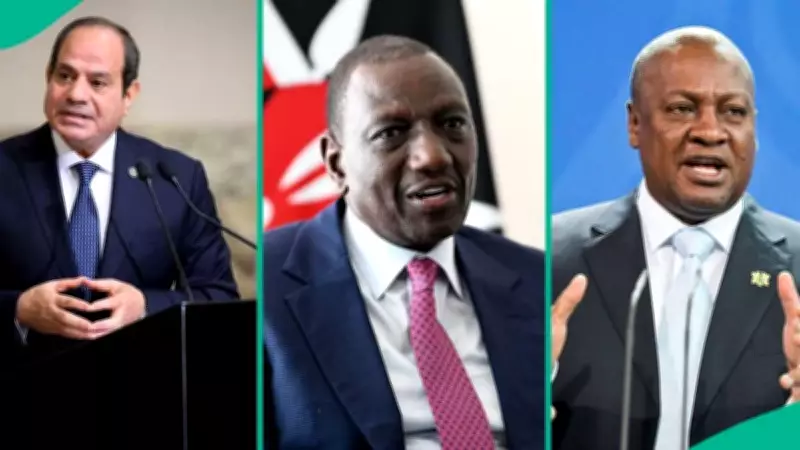
Recent data released by the International Monetary Fund (IMF) has unveiled the ten African nations with the most substantial outstanding debt to the institution as of March 2026. Egypt leads the ranking with a staggering $7.55 billion, significantly outpacing other countries on the list. Notably, Nigeria, Africa's largest economy, does not feature among the top debtors, raising critical questions about its current borrowing approach and exposure to IMF financing amid broader fiscal pressures.
Top 10 African Countries with Highest IMF Debt in March 2026
The IMF figures highlight a diverse mix of economies from West, East, and Central Africa, many of which have turned to the fund to manage issues such as inflation, currency depreciation, and widening fiscal deficits. The list is as follows:
- Egypt – $7.55 billion
- Côte d’Ivoire – $3.63 billion
- Kenya – $2.94 billion
- Ghana – $2.84 billion
- Angola – $2.50 billion
- Democratic Republic of Congo – $2.22 billion
- Ethiopia – $1.76 billion
- Tanzania – $1.34 billion
- Zambia – $1.27 billion
- Cameroon – $1.18 billion
This ranking underscores how several African economies continue to rely on IMF support to stabilize their finances in the face of persistent economic challenges, including external shocks and volatile markets.

The Trade-Offs and Risks of IMF Borrowing
While IMF loans often provide a crucial lifeline during economic crises, they come with significant trade-offs. One of the most debated aspects is policy conditionality, which typically requires governments to implement reforms aimed at restoring macroeconomic stability. These reforms may involve reducing public spending, removing subsidies, or restructuring key sectors of the economy.
Although such measures can enhance long-term stability, they frequently trigger short-term economic hardship and public discontent. For instance, Senegal recently faced mounting pressure after the IMF suspended its program due to the discovery of over $13 billion in previously undisclosed liabilities, forcing authorities to introduce austerity measures and restructure parts of the government to regain credibility with international lenders.
Moreover, heavy reliance on IMF financing can shape investor perceptions. On one hand, an IMF-backed program may signal a commitment to reform, potentially boosting confidence. On the other hand, repeated borrowing can raise concerns about underlying structural weaknesses, such as fragile domestic revenue systems or vulnerability to external shocks. This perception can lead to higher borrowing costs in global markets and reduced foreign investment inflows.
It is important to note that IMF debt is often just one component of a broader debt puzzle. Many countries also owe significant sums to bilateral lenders, multilateral institutions, and private creditors. Managing these overlapping obligations can strain public finances, especially when economic growth slows or export earnings decline.
Why Nigeria Is Missing from the List
Nigeria's absence from the top 10 suggests a relatively lower exposure to IMF credit compared to its peers. In recent years, Africa's largest economy has relied more on domestic borrowing and other external financing sources, such as loans from China and the World Bank, rather than large-scale IMF programs.
Financial analyst Ishaya Ibrahim commented, "Nigeria's low IMF exposure raises questions about its borrowing strategy amid broader fiscal challenges." While this approach may reduce policy constraints associated with IMF loans, it does not eliminate broader fiscal issues, including revenue shortfalls, debt servicing pressures, and foreign exchange constraints.

For example, Nigeria's 36 states paid a combined N455.38 billion in foreign debt service deductions in 2025, according to Federation Accounts Allocation Committee figures released by the National Bureau of Statistics. This marks a sharp rise from the N362.08 billion deducted in 2024, representing an increase of N93.30 billion or 25.77 percent year-on-year. In practical terms, a larger share of states' FAAC allocations was automatically deducted to service loans owed to external creditors, including the World Bank, IMF, China, and other multilateral and bilateral lenders.
The Delicate Balance of IMF Financing
Ultimately, IMF financing remains a double-edged sword for African economies. It can help countries navigate economic turbulence, but excessive reliance may limit fiscal flexibility and complicate long-term debt sustainability. As African economies continue to grapple with global uncertainties, the balance between accessing external support and maintaining financial independence will remain a key policy challenge.
President Bola Tinubu's government, for instance, avoids IMF debts but depends heavily on Chinese and World Bank loans, highlighting the complex trade-offs involved in borrowing strategies. The ongoing debate underscores the need for careful fiscal management and strategic planning to ensure economic stability and growth across the continent.