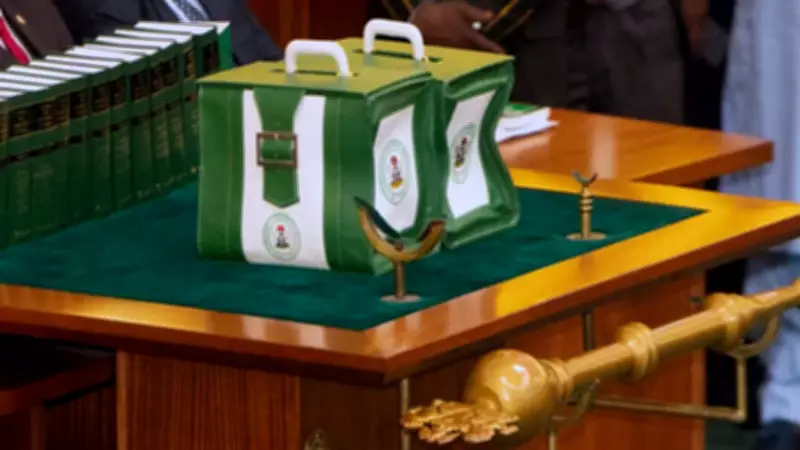
Nigeria will spend approximately ₦15.81 trillion on servicing its public debt in 2026, representing one of the largest components of a record ₦68.32 trillion budget, according to data from civic tech organization BudgIT and official government figures.
Budget Breakdown
The spending plan, recently approved by lawmakers and signed by President Bola Tinubu, outlines total expenditure of ₦68.32 trillion. Debt servicing accounts for a significant share alongside capital and recurrent spending. BudgIT, in its analysis of the budget, emphasized that the allocation highlights the growing burden of debt obligations on Africa’s largest economy, warning that public funds must be closely scrutinized.
“₦68.32 trillion has been proposed. That’s public money. Our money,” the group said, urging citizens to pay attention to how the funds are allocated.

Expenditure Details
According to the breakdown, ₦32.29 trillion is earmarked for capital projects, ₦15.43 trillion for recurrent (non-debt) expenditure, and ₦4.79 trillion for statutory transfers to government agencies, while ₦15.81 trillion is set aside for debt servicing.
Revenue and Financing Gap
The government expects to generate about ₦36.87 trillion in revenue, leaving a financing gap of roughly ₦31.45 trillion. BudgIT stated that the deficit is to be covered largely through borrowing, including ₦29.20 trillion in domestic borrowing, ₦2.05 trillion in external loans, and about ₦189 billion from asset sales.
Official projections underpinning the budget include oil production of 1.84 million barrels per day, a benchmark oil price of $64.85 per barrel, an exchange rate of ₦1,400 to the dollar, and economic growth of about 4.28 percent.
Analyst Perspectives
Analysts say the size of the debt service provision reflects Nigeria’s rising debt costs, which continue to consume a large share of government revenues. Debt servicing in the 2026 budget is estimated at over ₦15 trillion, or roughly half of projected revenue, limiting fiscal space for development spending.
Recent data also shows the upward trend in debt obligations. Nigeria’s total debt servicing rose to ₦15.81 trillion in 2025, driven largely by higher domestic borrowing costs and external obligations, according to figures from the Debt Management Office.