Nigeria's $250 Billion Waste Management Crisis Presents Major Economic Opportunity
A startling revelation has emerged regarding Nigeria's waste management practices, with the country currently losing an estimated $250 billion annually due to improper and indiscriminate waste disposal. This massive financial drain represents what experts are now calling a recoverable economic opportunity through proper systems and innovative approaches to waste management.
Pioneering Waste Management Initiative Launched
Under the administration of President Bola Ahmed Tinubu, GCFR, a new dawn has begun in repositioning Nigeria's economy to compete with global standards. As the world observes the International Day of Zero Waste, attention has turned to how Nigeria can transform its waste management challenges into economic growth.
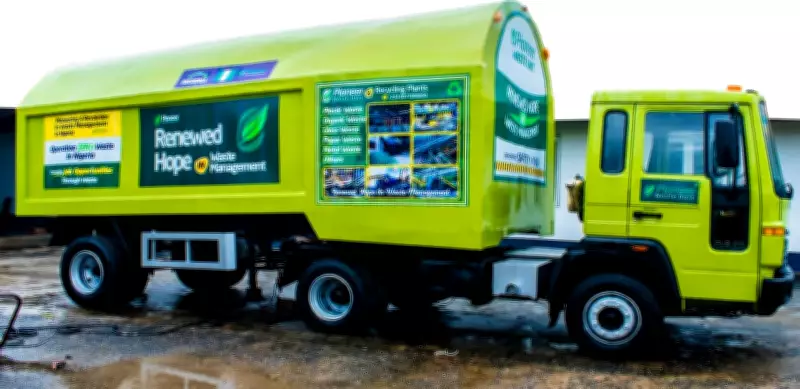
The Ambassador of Renewed Hope in Waste Management – Nigeria, Amb. Dr. Ekpoye Promise Nakus, and his team have invented the Pioneer Waste Unit and Recycling Plants. This groundbreaking initiative combines efficient waste collection with modern recycling processes designed to transform waste into valuable resources, creating a structured waste-to-wealth economy.

Key Benefits of the Waste Transformation Initiative
- Revenue Generation: Waste becomes a significant source of national income through recycling and material recovery processes that extract value from what was previously considered refuse.
- Job Creation: The comprehensive waste value chain has the potential to generate over 10 million jobs, engaging youth and communities across Nigeria in meaningful employment.
- Environmental Sustainability: Implementation of proper waste management systems leads to cleaner cities, reduced pollution levels, and improved public health outcomes for Nigerian citizens.
- Industrial Growth: Recycled materials support local industries and manufacturing sectors, reducing Nigeria's dependence on imported materials and strengthening domestic production capabilities.
Aligning Nigeria with Global Best Practices
This initiative positions Nigeria to align with global best practices where waste management drives economic development rather than representing a financial burden. Through innovation, strategic partnerships, and modern systems implementation, Nigeria can become a leader in Africa's emerging green economy.
The proposal extends beyond mere economics, focusing on human impact through job creation, improved livelihoods, restored dignity in labor, and the development of cleaner, healthier communities across the nation.
Government Support and Implementation
The Honourable Minister of the Federal Capital Territory, Chief Barrister Ezenwo Nyesom Wike, GSSRS POS Africa, is scheduled to unveil the Pioneer Waste Unit in the coming days. This launch represents both a birthday gift to President Tinubu and a significant advancement for all Nigerians.
The concept supports the smart city vision articulated in the Sustainable Development Goals while aligning with the Renewed Hope Agenda on Waste Management championed by President Tinubu's administration.
Call to Action for National Transformation
Effective waste management requires collaboration between government agencies, private sector stakeholders, and innovators to transition from conceptual ideas to practical implementation. With appropriate support and execution, Nigeria stands poised to convert its $250 billion waste crisis into a substantial economic opportunity.
As Amb. Dr. Ekpoye Promise Nakus and his team of young, innovative Nigerians demonstrate through their technical advancements, waste is no longer merely refuse but represents wealth in disguise. Through proper leadership and systematic execution, Nigeria can transform everyday waste into sustainable jobs, national income, and long-term development that benefits all citizens.