What is the true state of living for over 200 million Nigerians? A comprehensive analysis, drawing on months of research and years of observation, paints a picture of a nation defined by profound contrasts. While a small affluent minority enjoys world-class amenities, the majority grapples with a daily struggle against poverty, crumbling infrastructure, and soaring costs.
The Stark Reality: Wealth Islands in a Sea of Hardship
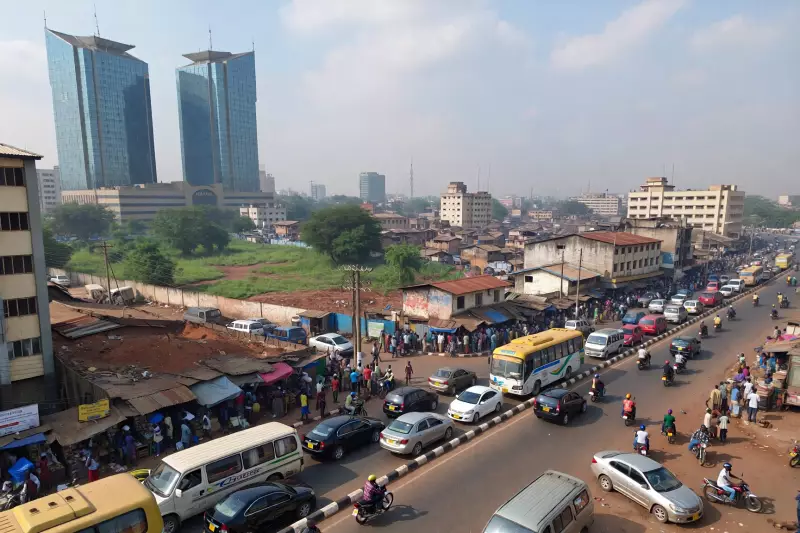
Nigeria's quality of life is a tale of two extremes. Approximately 54% of the population lives below the poverty line, according to recent projections. Meanwhile, a wealthy elite, perhaps 5-10% of citizens, resides in secure gated communities with private infrastructure. For the vast majority, life is a constant hustle to overcome systemic failures.
The economic pressure is immense. With inflation consistently above 30% annually, the purchasing power of ordinary Nigerians has been devastated. Real wages have declined by an estimated 50-60% since 2023, making basic necessities like food and medicine increasingly unaffordable for families across all income brackets.

The Crippling "Infrastructure Tax" on Everyday Life
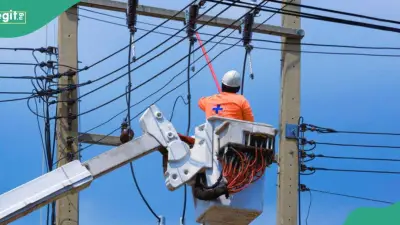
One of the most defining features of Nigerian life is the need to privately fund essential services the state should provide. This creates a massive hidden cost. A middle-class family in Lagos or Abuja can easily spend over ₦100,000 monthly on generators, water tankers, private security, and backup inverter systems.
Consider the case of a Lagos software developer earning a seemingly decent ₦350,000 monthly. A staggering ₦80,000 of that goes solely on fueling generators due to unreliable grid power. This "infrastructure tax" drains resources that could be used for education, healthcare, or savings, reinforcing inequality instead of solving core problems.
The data from the National Bureau of Statistics is sobering: 133 million Nigerians experience multidimensional poverty. This means they face simultaneous deprivations in health, education, living standards, employment, and security. It's not just about low income; it's about lacking access to clean water (32.6% of Nigerians), adequate sanitation (45.1%), and reliable electricity (39.4%).
A Framework for Understanding the Nigerian Experience
To truly grasp the quality of life, one must look beyond average statistics. A practical assessment involves several key areas:
1. Healthcare in Crisis: Nigeria ranks 163 out of 191 countries in the WHO health system ranking. Life expectancy is about 60 years, among the lowest in Africa. Maternal mortality remains unconscionably high at 512 deaths per 100,000 live births. With only 5% of the population having health insurance, a medical emergency can spell financial catastrophe for a family.
2. Education Under Strain: While access has improved, quality remains a major issue. Nigeria has 14.8 million out-of-school children, the highest number globally, concentrated in northern states. Even for those in school, overcrowded classrooms and under-resourced teachers are common, creating an intergenerational poverty trap.
3. Security as a Constant Constraint: From insurgency in the Northeast to banditry in the Northwest and kidnapping nationwide, security concerns genuinely limit economic activity and freedom of movement. Farmers abandon land, traders avoid certain routes, and families live with the psychological burden of constant risk assessment.
The Profound North-South Divide
National averages mask dramatic regional inequalities. Data reveals Nigeria functions almost as six different nations. In the North West, poverty rates hit 71.2%, with under-five mortality at 98.2 per 1,000 births. Contrast this with the South West, where poverty is at 13.5% and child mortality is 42.1 per 1,000.

Economically, the gap is just as wide. Average monthly household income in the South West is around ₦285,000, compared to just ₦95,000 in the North West. A child born in Jigawa State faces nearly 2.5 times the risk of dying before age five compared to a child born in Lagos.
Coping Mechanisms and Resilience Amidst Hardship
Despite these daunting challenges, the Nigerian spirit of resilience endures. When formal systems fail, informal ones rise. Extended family networks act as crucial social safety nets, providing support during unemployment, health crises, and old age. A thriving informal economy and remarkable entrepreneurial drive fill gaps left by the state.
Improvements have occurred in specific areas. Mobile phone penetration now exceeds 80%, connecting communities and enabling mobile money services. Maternal mortality, while still high, has fallen from about 800 to 512 deaths per 100,000 births over the past decade. Financial inclusion has grown through banking reforms.
However, these gains have been overwhelmingly offset by severe deteriorations in purchasing power, security, and infrastructure reliability. For most Nigerians, the net quality of life has declined in recent years.
The Root Causes and Paths Forward
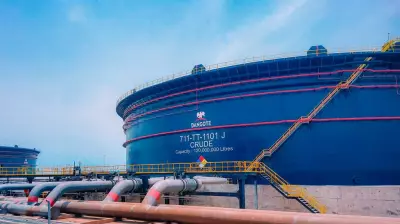
The central paradox remains: Africa's largest oil producer cannot provide reliable electricity for its citizens. The fundamental reasons are decades of governance failures, systemic corruption, and chronic underinvestment in human capital. Public funds meant for infrastructure and services are often diverted, creating a massive "leakage" in the system.
The path to improvement requires tackling these core issues: genuine governance reform, transparency in public spending, prioritizing infrastructure investment (especially power), strengthening healthcare and education systems, and implementing security sector reforms. The resources and human talent exist; what has been lacking is consistent political will and implementation.
For now, the quality of life for over 200 million Nigerians remains a story of resilience in the face of immense structural challenges, marked by stark inequality and a daily struggle to secure the most basic necessities of a dignified life.