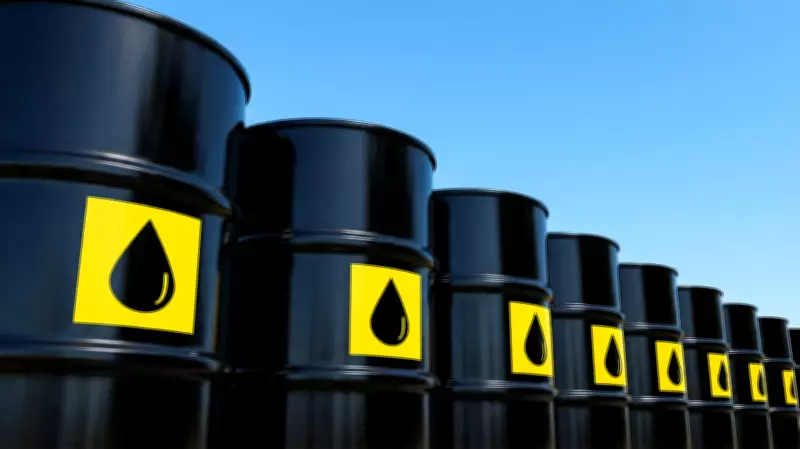
Global Oil Prices Experience Sharp 14% Decline Amid Easing Middle East Tensions
In a significant market shift, crude oil prices plummeted by over 14 percent yesterday, driven by relaxed tensions in the Middle East. Brent crude, which started the day at approximately $114 per barrel, dropped to $98 by the close of trading. This retreat followed a statement from United States President Donald Trump, indicating that America and Iran had engaged in "very good and productive conversations" over the past two days, aiming for a complete resolution of hostilities in the region.
Domestic Fuel Prices Soar Despite Global Drop, Worsening Economic Hardship
Despite the global decline in oil prices, Nigerian citizens are facing escalating energy costs, with Premium Motor Spirit (petrol) and diesel prices reaching alarming levels. Across most fuel stations in Abuja, petrol was selling between N1,261 at Nigerian National Petroleum Company Limited (NNPCL) retail outlets and N1,400 at major and independent stations. Diesel prices are approaching N1,800 per litre, exacerbating the financial strain on households and businesses.
A commercial driver, Friday Abba, shared his struggles with The Guardian, noting that the current pump prices remain unbearable. He explained that while costs are often passed on to consumers, many people are finding it increasingly difficult to afford basic transportation, highlighting the widespread impact of these price hikes.

NECA Warns of Dire Economic Consequences from Rising Energy Costs
The Nigeria Employers’ Consultative Association (NECA) has issued a stern warning about the repercussions of rising global oil prices on the domestic economy. Director-General Adewale-Smatt Oyerinde emphasized that increasing crude oil prices are translating into higher energy costs in Nigeria, with severe consequences for businesses and citizens alike.
Oyerinde described the situation as a growing paradox, where gains from rising oil prices are being eroded by inflation and economic hardship. He stressed that energy costs are central to Nigeria's economy, stating, "Once fuel prices rise, the effects are immediate and widespread; transport costs increase, food prices rise, and the overall cost of doing business escalates."
Businesses, particularly in manufacturing, agriculture, and logistics, are under significant pressure. Oyerinde noted that for firms reliant on diesel, sustaining operations is becoming increasingly challenging, with profit margins shrinking and many forced to either pass on costs or scale down activities.
Middle East Dynamics and Local Refinery Adjustments
In response to the ongoing tensions, Iran’s Islamic Revolutionary Guard Corps (IRGC) shifted its tone yesterday, denying allegations of targeting desalination facilities in Gulf states. Instead, Iran accused U.S. forces of striking water infrastructure on Qeshm Island and warned that any attack on Iranian power plants would be an "inhumane act," citing potential impacts on hospitals and civilian services.
Locally, the Dangote Refinery has implemented price increases approximately five times since the conflict began, with the latest adjustment raising the ex-depot price to N1,275 per litre over the weekend. This move further compounds the challenges faced by consumers and businesses.
Calls for Government Action and Structural Reforms
Oyerinde called for immediate government intervention to stabilize the downstream sector and support vulnerable industries. He urged for structural reforms, emphasizing that Nigeria's economic resilience should not be dictated by oil prices but by effective management strategies.
"This is a moment to strengthen institutions, improve transparency, and invest in sustainable energy solutions," he asserted, highlighting the need for long-term planning to mitigate future shocks.
As global oil markets fluctuate, the disconnect between international price drops and domestic cost increases underscores the urgent need for policy adjustments to alleviate the plight of Nigerian citizens and businesses.