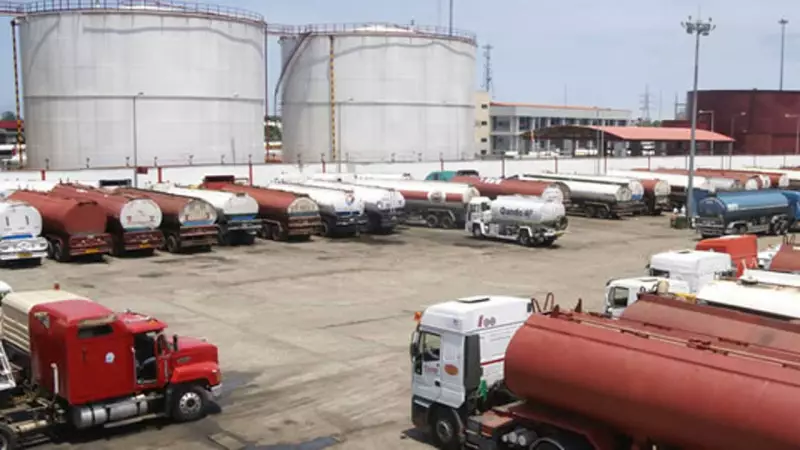
The Depot and Petroleum Products Marketers Association of Nigeria (DAPPMAN) has strongly reaffirmed its pivotal position in the nation's fuel supply chain. The association revealed that its members are responsible for supplying approximately 60 per cent of all petroleum products consumed across Nigeria.
Sustaining Supply in a Transforming Market
DAPPMAN has committed to maintaining this significant level of supply throughout 2026. This pledge forms a core part of wider initiatives aimed at strengthening Nigeria's energy security. The commitment comes at a crucial time of structural evolution within the country's downstream oil and gas industry.
In a virtual address delivered on 14 January 2026, the Chairman of DAPPMAN, Moroti Adedoyin-Adeyinka, provided an assessment of the sector's recent journey. She characterised the year 2025 as a period of difficult but essential transition for the industry. This phase was defined by significant policy changes, regulatory fine-tuning, and an increase in competitive pressures within the market.

Navigating Post-Subsidy and PIA Reforms
According to Adedoyin-Adeyinka, while the year presented considerable challenges for operators, it also marked the beginning of a more competitive and market-oriented downstream environment. Nigeria's downstream petroleum sector has been undergoing a fundamental reset since the government removed petrol subsidies and began implementing reforms under the Petroleum Industry Act (PIA).
These historic changes have transformed pricing structures, altered supply dynamics, and reshaped the roles of private marketers. A key consequence is that operators now bear greater responsibility for ensuring consistent fuel availability without the previous cushion of state-backed price controls.
The chairman acknowledged that the market turbulence experienced in 2025 was anticipated, especially with the entry of major new players like the Dangote Refinery, which disrupted existing market share and pricing models. "With anything new, it takes time to settle," she remarked, highlighting the multiple "moving parts" that defined the year's landscape.
Emerging Stability and Consumer Benefits
However, Adedoyin-Adeyinka pointed to encouraging signs of stability that began to surface by the final quarter of 2025. Competition became more evident across both supply chains and pricing, delivering tangible benefits to end consumers. This occurred despite the persistent pressures of high inflation and volatile exchange rates, which continue to drive up the landing cost of imported fuel.
Industry stakeholders concur that the diversification of supply sources and the adoption of more flexible pricing mechanisms have significantly reduced the risk of prolonged nationwide fuel scarcity. Nevertheless, price volatility remains a pressing concern for both households and businesses operating in Nigeria.
DAPPMAN frames its 60% supply role as absolutely critical to national energy security. This is particularly vital in a country where historic fuel shortages have frequently led to severe economic disruption and social unrest. The association's chairman emphasised that energy security remains DAPPMAN's foremost priority, and it will continue to support government efforts to stabilise the market.
While private marketers have effectively filled supply gaps left by the state, Nigeria's energy sector remains highly vulnerable to external shocks. These include fluctuations in foreign exchange rates, increases in international shipping costs, and swings in global crude oil prices. Until domestic refining capacity can fully meet national demand, import-dependent players like DAPPMAN members will continue to be decisive in shaping market outcomes.
Looking ahead, DAPPMAN stated its intention to continue collaborating with regulators, government agencies, and other industry stakeholders to foster a "fully functional downstream sector." This collaborative effort will include addressing persistent safety concerns, especially those related to the transportation of petroleum products by road. Incidents involving fuel tanker accidents, pipeline vandalism, and depot fires have repeatedly exposed weaknesses in Nigeria's downstream safety infrastructure.