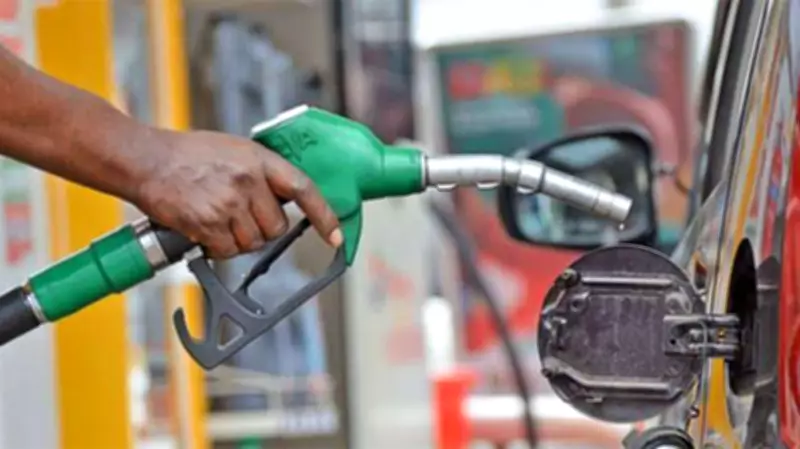
The average retail price of petrol in Nigeria decreased by 15.6 percent year-on-year in February 2026, according to official data from the National Bureau of Statistics (NBS). This decline reflects ongoing shifts in the country's downstream oil sector.
Price Details and Trends
The NBS reported that the average price of Premium Motor Spirit (PMS), commonly known as petrol, stood at ₦1,051.47 in February 2026, down from ₦1,245.80 recorded in February 2025. On a month-on-month basis, however, prices edged higher by 1.62 percent, rising from ₦1,034.76 in January 2026. This indicates continued volatility in fuel costs despite the annual decline.
Data Collection Methodology
The data was compiled through a nationwide survey covering all 774 local government areas. The NBS gathered information from over 10,000 respondents across fuel outlets, with more than 700 field staff involved in the exercise.

Regional Disparities in Petrol Prices
State-level analysis revealed significant regional disparities. Yobe recorded the highest average retail price at ₦1,134.73, followed by Sokoto at ₦1,116.81 and Akwa Ibom at ₦1,109.44. In contrast, Lagos posted the lowest average price at ₦966.61, while Oyo and Kaduna recorded ₦973.45 and ₦1,000.07 respectively. These figures underscore uneven distribution and cost structures across the country.
Zonal Price Variations
At the zonal level, the North-East had the highest average petrol price at ₦1,084.41, while the South-West recorded the lowest at ₦1,023.89.
Impact of Subsidy Removal
The latest figures come amid ongoing adjustments in Nigeria's fuel market following the removal of petrol subsidies in 2023. This policy shift has continued to influence pump prices and household expenditure patterns. Despite the year-on-year decline, petrol prices remain elevated compared to pre-subsidy levels, contributing to broader inflationary pressures in Africa's largest economy.
Fuel costs have a significant impact on transportation, food prices, and the overall cost of living, making petrol price movements a key indicator of economic conditions in Nigeria. The NBS stated that its Petrol Price Watch report is published monthly and provides state-by-state and zonal breakdowns to track trends in consumer fuel prices nationwide.