Throughout the continent, cities are transforming; redefining themselves, uncovering new areas, and encouraging visitors to reconnect with their rhythm. Although 48 hours might seem brief, it often provides enough time to collect a few memories, savour something surprising, and experience a city in its most genuine moments. This week, we highlight one of Africa's capitals, where two days are just sufficient to immerse yourself in the pulse of the streets, enjoy the culture, and return home feeling as if you've experienced a different life, if only for a short while, and that city is Accra.
Accra moves at its own rhythm. Between high-rises and historic streets, street food and rooftop bars, the city offers a layered experience for those willing to walk its streets, taste its flavours, and pause in its quiet corners. In just 48 hours, you can catch its pulse, glimpse its past, and understand why it's fast becoming one of Africa's most compelling capitals.
Day One: History, Heritage, and Coastal Calm
Morning: Explore the past
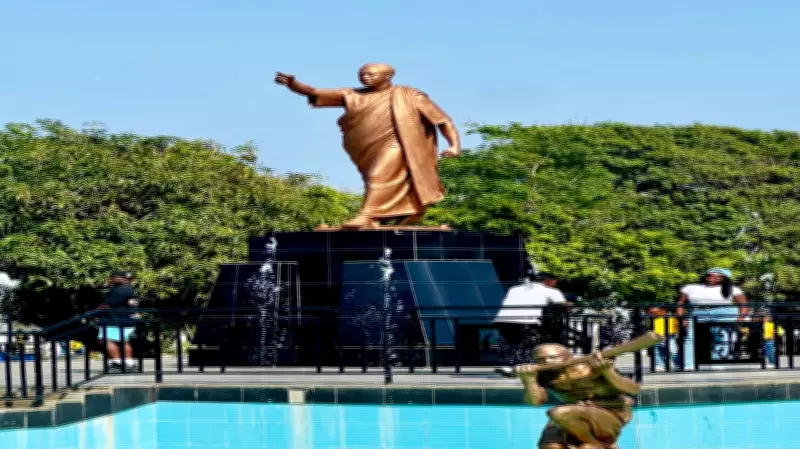
Start your day at Christiansborg Castle, also known as Osu Castle, where the story of Ghana's role in the transatlantic slave trade comes into sharp focus. The dungeons are dark and damp, a stark contrast to the sunlit courtyards above. From there, stroll 20 minutes or take a short Uber to Independence Square, home to the Black Star Arch. Climb the 42 steps of the right-hand pillar for a panoramic view of Christiansborg Castle, the Accra Sports Stadium, and the Atlantic Ocean stretching beyond small coastal communities. The wind carries salt and heat, and you can almost hear history lingering in the breeze.

Afternoon: Markets and local culture
Head to the Arts Centre for handmade crafts, wood carvings, kente textiles, and brass jewellery. Walk slowly. Let the colours, patterns, and textures guide your pace. A short drive away, wander the streets of Jamestown. Colonial-era buildings, fishing boats, and peeling paint create a rustic rhythm that contrasts the city's modern skyline. Street vendors sell grilled fish and fried plantain; the smoke mingles with the Atlantic breeze.
Evening: Coastal dining and drinks
For dinner, retreat to Labadi Beach. The sand is warm underfoot, and grills release smoke and the scent of fresh seafood into the evening air. Later, in Osu's Ringway Estates, unwind at Ritual, which is a quiet corner for cocktails and 'small chops' like cassava chips with habanero ceviche. The music ranges from Ghanaian legends like Osibisa to contemporary hits by Sarkodie, soft enough to let conversation linger. Elderflower champagne is a crowd favourite, and tipping the staff is customary.
Day Two: Contemporary Culture and Nightlife
Morning: Explore the creative scene
Start late with a visit to local art galleries or pop-up spaces featuring Ghanaian artists who have made international names. Fabrics, sculptures, photography, and installations reflect a city that is modern yet deeply rooted in tradition. From here, meander into Osu's cafés and boutique shops, eat brunch: local pastries paired with strong Ghanaian coffee.
Afternoon: Streets and neighbourhoods
Take the afternoon to explore the neighbourhoods more intimately. Osu's streets pulse with small businesses, open markets, and street musicians. Walk slowly, notice the interplay between high-rise offices and low-rise bungalows where families continue routines unchanged by the city's growth. Let your senses absorb the blend of spice, smoke, and sea air. Stop at a street stall for waakye: a rice and beans dish cooked in rich, savoury sauce to fuel your exploration.
Evening: Nightlife and reflection
Return to Osu or nearby East Legon to experience Accra's nightlife. Rooftop bars and open-air clubs hum with Afrobeats, highlife, and Amapiano. People linger, dance, and converse. End the night with a slow walk back to your hotel, letting the sounds, smells, and lights of Accra linger in memory.