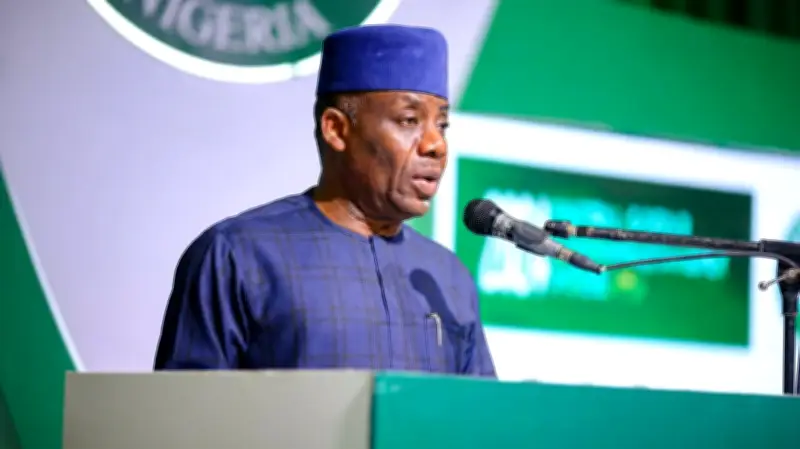
The Minister of Education, Dr. Tunji Alausa, has called on Nigerian students to embrace healthy living by practicing good hygiene, eating balanced diets, and staying up to date with recommended vaccinations. These habits, he explained, are crucial to safeguarding their future and developing responsible leadership qualities.
Addressing Students at Kid’s Dialogue Series
Speaking at the inaugural Kid’s Dialogue Series held at Government Science Secondary School, Pyakasa, Abuja, Dr. Alausa emphasized that sound health is fundamental to effective learning, improved productivity, and the overall progress of the nation. The programme was jointly organised by the Federal Ministry of Education, the National Primary Health Care Development Agency (NPHCDA), and the Centre for Well-being and Integrated Nutritious Solutions (C-WINS), under the theme: ‘Empowering Young Voices to Shape Health, Learning and Well-being in Nigeria.’
Students Urged to Take Active Role in Health
Addressing students from various schools across the Federal Capital Territory (FCT), the minister stressed the importance of children taking an active role in safeguarding their health and overall well-being. “If you don’t have health, you don’t have a life. You are the future of this nation and we have to start right by keeping you healthy. The most important person in keeping you healthy is you,” he said.

Alausa described vaccination as one of the most effective tools for preventing life-threatening diseases, urging students to confirm from their parents and teachers that they were up to date with their immunisation schedules. He noted that vaccines against diseases such as measles and polio had saved millions of lives, while the HPV vaccine had proven effective in preventing certain cancers.
NPHCDA Executive Director Advocates Peer Influence
For his part, the Executive Director of the National Primary Health Care Development Agency (NPHCDA), Dr. Muyi Aina, urged students to serve as advocates for healthy living by championing positive health behaviours within their schools, homes, and communities. He encouraged the students to lead by example through practicing good personal hygiene, maintaining healthy eating habits, participating in regular physical activities, and ensuring that they receive all recommended vaccinations.
According to him, young people have a unique ability to influence their peers and can play a vital role in promoting healthier lifestyles among other children and adolescents. Aina stressed that investing in the health and well-being of children was critical to building a productive and prosperous nation, noting that healthy students are better equipped to learn, achieve their academic goals, and contribute meaningfully to society.
He added that creating awareness about preventive healthcare from an early age would help reduce the burden of avoidable diseases and foster a generation of informed and responsible citizens. The NPHCDA boss further called on students to use the knowledge gained from the dialogue to educate members of their families and communities on the importance of immunisation and other preventive health measures.
Interactive Session on Mental Health and Vaccination
The event also included an interactive session where students expressed concerns about mental health challenges, emotional trauma, and the reluctance of some parents to allow their children receive vaccines. The dialogue provided a platform for young voices to be heard and for officials to address these pressing issues.