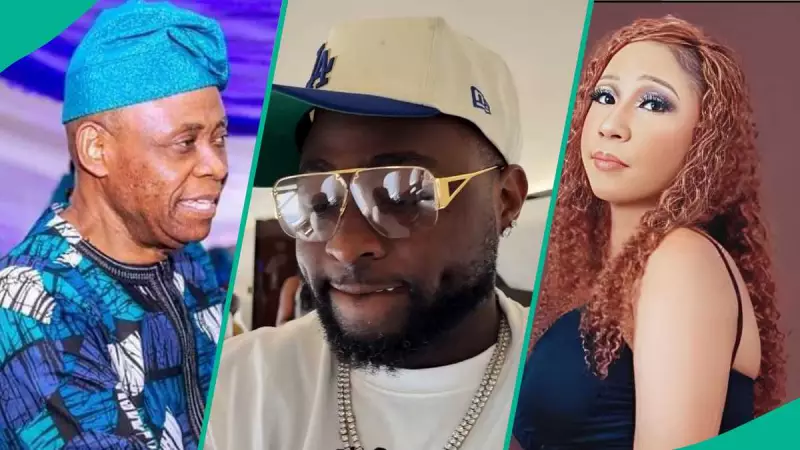
Davido Paternity Controversy: Writer Condemns Alleged Babymama's Actions
Nigerian public commentator and writer Japheth Omojuwa has weighed in on the ongoing paternity dispute involving Afrobeats superstar David "Davido" Adeleke, stating that the alleged babymama and her daughter cannot force the Adeleke family to accept "a child that is not theirs." This statement comes amid renewed controversy surrounding paternity claims that have dominated Nigerian social media discussions.
DNA Evidence Presented by Adeleke Family
The controversy escalated when Adedeji Adeleke, Davido's father, publicly addressed the matter during a press briefing at his Lagos residence. The elder Adeleke firmly dismissed claims that his son fathered 12-year-old Anuoluwapo Adeleke, presenting what he described as conclusive DNA evidence. "To start with, let me put it on record that I have 14 grandchildren," Adeleke stated, emphasizing the family's transparency in handling the sensitive issue over several years.
Davido himself had previously responded to the allegations on social media platform X, revealing that five separate DNA tests had been conducted, all returning negative results. The singer explained that three tests occurred at hospitals of his choosing, while the remaining two took place at facilities selected by the child's mother, Ayo Labinjoh.

Minor's Emotional Appeal Sparks Debate
The dispute gained renewed attention when Anu Michelle Adeleke, the minor at the center of the controversy, shared an open letter on Instagram urging Davido to undergo a DNA test. In her heartfelt appeal, the 12-year-old explained that not knowing her father had caused severe bullying and emotional distress throughout her school years. She framed the request as a private matter between herself and the singer, seeking to establish her identity as she approached her teenage years.
However, Omojuwa expressed concern about the minor's involvement in the public dispute, stating that "that kid deserves much better from her mother." The writer criticized what he described as consistent bad choices by the child's mother, suggesting she had compounded the situation through her actions.
Writer Questions Alleged Babymama's Strategy
In his detailed commentary on the matter, Omojuwa questioned why the alleged babymama believed she could force acceptance of a child when modern DNA testing provides clear scientific answers. "They got all the privileges of access to him but somehow believed that they could force them to accept a child that isn't theirs," Omojuwa wrote on his verified X account, referring to the Adeleke family's cooperation with multiple DNA tests.
The writer expressed sadness that the situation had reached a point where Davido's father felt compelled to publicly share private family matters. Omojuwa's intervention adds to growing public discourse about the ethical implications of involving minors in celebrity paternity disputes and the emotional toll such controversies can take on all parties involved.
Alleged Babymama Maintains Position
Despite the DNA evidence presented by the Adeleke family, Ayo Labinjoh has continued to maintain her position. In recent social media posts, she has accused prominent media figures of complicity through silence and bias. Labinjoh has consistently claimed that the DNA tests conducted were not genuine, though she has not provided alternative scientific evidence to support her assertions.
The ongoing dispute highlights broader conversations in Nigerian society about:
- The importance of scientific evidence in paternity cases
- The emotional impact on children involved in public controversies
- The responsibilities of parents in protecting minors from media scrutiny
- The intersection of celebrity culture and family privacy
As the controversy continues to unfold, public figures like Omojuwa are calling for more responsible handling of such sensitive matters, particularly when they involve minors who cannot fully comprehend the long-term consequences of public exposure.