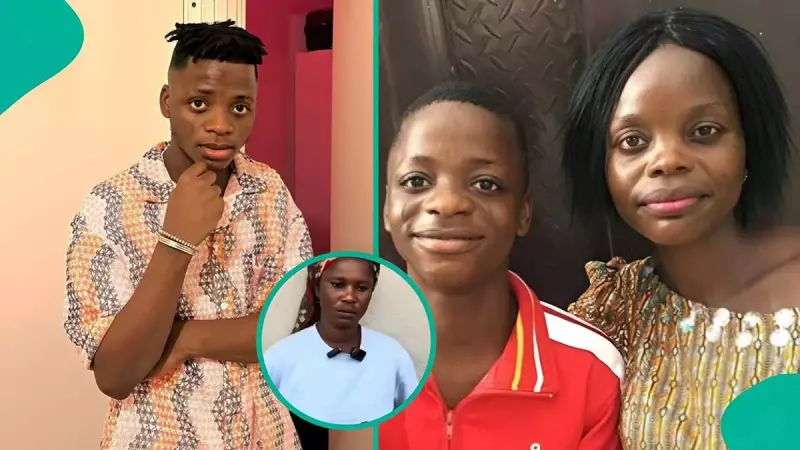
Family Drama Unfolds After Destiny Boy's Burial as Paternal Relatives Level Serious Accusations
The tragic passing of young Afro-Fuji singer Afeez Adeshina, popularly known as Destiny Boy, has taken a contentious turn with his father's family publicly accusing his mother of abandonment. This emotional family conflict emerged shortly after the singer was laid to rest at his father's compound in Ayetoro, Yewa, Ogun State on Friday, January 23, in a ceremony that deeply moved many social media users.
Paternal Family's Explosive Claims Surface in Viral Video
In a video that has circulated widely online following the burial, representatives from Destiny Boy's paternal family made startling allegations against his mother, Sadiat Adeshina. Speaking on behalf of the family, a woman identified as Titilayo claimed that Destiny Boy's mother abandoned him and his siblings at a very young age and showed no interest in their welfare until the singer achieved fame and success in the music industry.
Titilayo recounted a detailed narrative about how Destiny Boy's mother allegedly severed connections between the singer and his paternal relatives once he began gaining prominence. According to her testimony, Sadiat Adeshina deliberately cut off family members from having access to or communication with Destiny Boy after he rose to stardom, creating a significant rift within the family structure.

Pasuma's Crucial Role in Destiny Boy's Early Discovery
The family spokesperson also shed light on the important role played by Fuji music superstar Alabi Pasuma in Destiny Boy's early career development. According to Titilayo's account, Pasuma first discovered the talented young singer when Destiny Boy was just seven years old during a performance visit to Ayetoro.
This fateful encounter proved transformative for the young artist's future. Following their meeting, Destiny Boy relocated to Lagos where he stayed with a family member, marking the beginning of his journey toward musical recognition. The paternal family's narrative suggests that Destiny Boy's mother only re-entered his life after learning about his growing success in Lagos, raising questions about her motivations and timing.
Broader Context of Destiny Boy's Health Struggles
This family conflict emerges against the backdrop of previously disclosed information about Destiny Boy's health challenges. His mother, Saidat Adeshina, had earlier confirmed that the singer began experiencing symptoms similar to epilepsy nearly two years ago, shortly after his child's naming ceremony. She revealed that the condition had been concealed due to his celebrity status.
The singer reportedly suffered from a mysterious long-term illness described as "Oku Oru" that frequently caused seizures. This health context adds another layer of complexity to the current family dispute, as different family members may have had varying levels of awareness and involvement in his medical care throughout his struggles.
Public Reaction and Social Media Commentary
The unfolding family drama has sparked significant discussion on social media platforms, with many netizens drawing comparisons to similar conflicts that emerged following the death of another young Nigerian artist, Mohbad. Comments from social media users reflect a range of perspectives on the situation:
- Several users expressed concern that such family feuds are becoming increasingly common following the deaths of young celebrities
- Some commentators questioned the timing and motivations behind the public airing of family grievances
- Others speculated about potential future conflicts regarding the singer's estate and properties
- Many expressed sadness that such disputes overshadow the mourning process and celebration of the artist's life and legacy
This developing situation highlights the complex family dynamics that can surface following the death of public figures, particularly when there are unresolved issues from the past. As the controversy continues to unfold, it raises important questions about family relationships, responsibility, and how personal conflicts become public narratives in the age of social media and instant communication.