Margaret Obi's Viral Dance Video and Fashion Choices Ignite Social Media Conversations
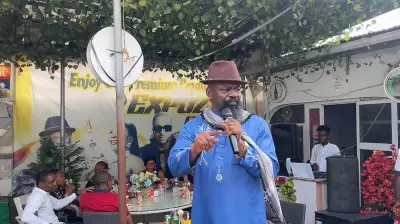
A recently circulated video featuring Margaret Obi, the wife of former Anambra State governor and 2023 presidential candidate Peter Obi, has captured significant attention across various social media platforms. The footage shows Mrs. Obi enthusiastically displaying her dance moves to a live performance of Asake's popular track "Lonely at the Top" during a social gathering in Lagos.
Elegant Appearance and Cultural Attire Draw Mixed Reactions
The event in question was the burial ceremony of the late Otunba Adekunle Ojora, a distinguished Nigerian figure who passed away at the age of 93. Otunba Ojora was recognized as the Otunba of Lagos, the Lisa of Ife, and held numerous prestigious chieftaincy titles, including Head of the Ojora Royal Family and Olori Omoba of Lagos. His remarkable career spanned journalism, public service, politics, and corporate governance, notably serving as Chairman of the Board of AGIP Nigeria Limited for over three decades from 1971 to 2002.
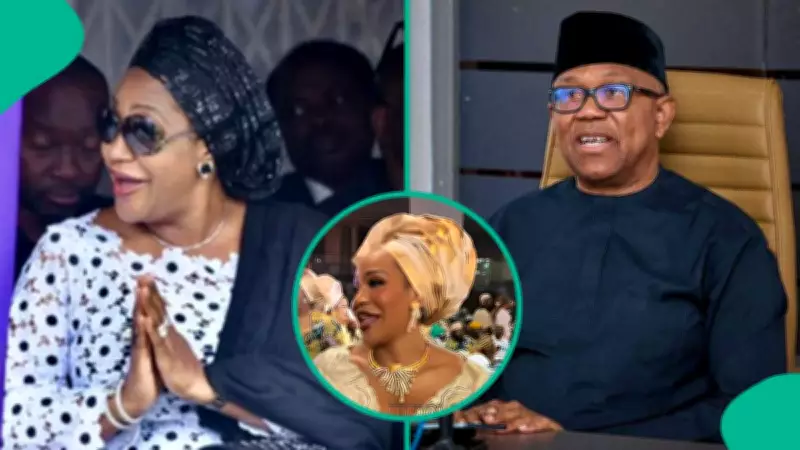
Among the prominent attendees at this solemn occasion were Peter Obi and his wife Margaret, who became an unexpected focal point when media personality Bisi Olatilo shared video clips from the event. In the viral footage, Margaret Obi appears elegantly dressed in traditional Yoruba attire, complemented by matching jewelry that enhanced her overall appearance. Her joyful participation in the celebration, particularly her dance performance, has since generated extensive discussion across digital platforms.

Social Media Divided Over Wealth Display and Political Symbolism
The conversation surrounding Margaret Obi's appearance has taken multiple directions, with social media users expressing diverse opinions about her fashion choices and public demeanor. Some commentators have interpreted her elaborate attire and jewelry as a public display of wealth, sparking debates about the appropriate presentation of political figures' family members in Nigeria's current socioeconomic climate.
Supporters of Peter Obi have vigorously defended his wife's right to enjoy social occasions and express herself through fashion and dance. They emphasize that the Obi family's wealth has transparent origins that predate Peter Obi's political career, contrasting this with what they perceive as less transparent wealth among other political families. These supporters argue that Margaret Obi's appearance represents cultural appreciation rather than ostentation.
Comparative Political Commentary Emerges
Interestingly, the discussion has expanded beyond Margaret Obi's specific actions to include broader political comparisons. Some social media users have drawn parallels between her appearance and that of other political figures' spouses, particularly Senator Oluremi Tinubu, wife of President Bola Tinubu. This comparative analysis has revealed deep political divisions among Nigerian social media users, with comments reflecting partisan perspectives on appropriate conduct for political families.
The video has also resurfaced conversations about Peter Obi's political future, with some commentators connecting Margaret's public appearance to ongoing discussions about potential presidential candidacies for the 2027 elections. This connection highlights how seemingly personal moments involving political figures' families can become intertwined with broader political narratives in Nigeria's dynamic democratic landscape.
Cultural Appreciation or Political Statement?
Beyond the immediate reactions, Margaret Obi's choice of traditional Yoruba attire for an event in Lagos has prompted discussions about cultural symbolism in Nigerian politics. Some observers have interpreted her fashion selection as a gesture of cultural appreciation and national unity, while others view it through more political lenses. This aspect of the conversation reflects the complex interplay between culture, fashion, and politics in contemporary Nigerian society.
The viral moment serves as a reminder of how social media has transformed the way public figures and their families are perceived and discussed in Nigeria. Personal moments that might have remained private in previous eras now become subjects of national conversation, with implications for political image management and public perception.