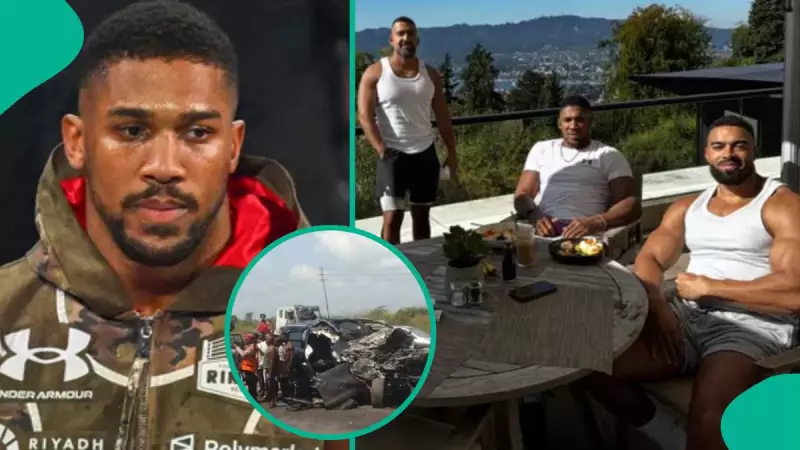
The fatal car crash involving British-Nigerian boxing champion Anthony Joshua on the Lagos-Ibadan Expressway continues to dominate online discussions, taking an unexpected spiritual turn. While the tragic incident, which occurred on Thursday, January 1, 2026, and claimed two lives, was initially attributed to recklessness, a pastor's theory about dark forces has added a new dimension to the public discourse.
A Pastor's Spiritual Perspective on the Tragedy
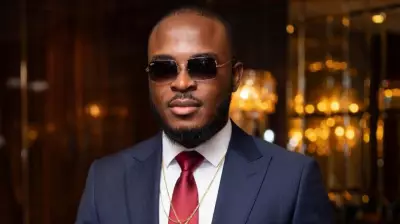
Amid the flood of reactions, a pastor and social media user named Dele Olawale offered a viewpoint that has raised eyebrows and sparked widespread conversation. In a post on the platform X, Pastor Olawale delved into what he described as the spiritual angle of the event.
While he acknowledged the clear recklessness of the driver behind the wheel, he urged the public to consider the potential involvement of dark spiritual forces, commonly referred to in Nigerian local parlance as 'village people'. "As a pastor, I must consider a spiritual angle to some events in this life," Olawale wrote. "I know the driver in the @anthonyjoshua accident was reckless, but has anyone considered the role of the village people in the matter? I have seen things in life. African people are 'powerful.'"

This commentary comes in the wake of revelations from the driver's lawyer, Adeniyi Mobolaji Kayode, who disclosed that Joshua had a miraculous escape by swapping seats in the vehicle just before the catastrophic collision occurred.
Mixed Reactions Flood Social Media
The pastor's tweet quickly went viral, drawing a spectrum of responses from Nigerians online. The debate highlighted a classic clash between spiritual beliefs and calls for practical accountability.
Many users agreed with the pastor's spiritual assessment. One user, Stevezap, commented, "Village people are real! Ritualists are real. Living in a haunted ritualist house has given me another understanding of spirituality." Another, supaaaaafly, shared a personal story: "I am sure someone arranged it from the spiritual angle... we underrate these things until they happen."
However, a significant number of respondents pushed back, emphasizing tangible factors over mystical ones. User Adeyemiyanu offered a balanced yet critical view: "Pray to God but row to shore. Spiritual warfare is real, but so is a steering wheel in reckless hands. We can't blame the village for every brake we didn't hit. Faith without physics is fantasy."
Others redirected the focus squarely to infrastructure and governance. Jamessokafor argued, "This one no be village people. We should hold government accountable... Why will a truck park on the highway spoilt without any sign?" Similarly, cbngov_akin1 questioned the tendency to seek extraordinary explanations, stating, "No..... Yet everyone is quick to point fingers at the government, as if accidents never happen in other developed countries."
Broader Context: Recklessness on Nigerian Highways
The spiritual debate unfolds against a backdrop of well-documented road safety challenges in Nigeria. The incident prompted Nick Pisa, a senior global reporter with the Daily Mail who was at the crash scene, to express shock at the level of recklessness he witnessed on the Lagos-Ibadan Expressway.
Pisa lamented the dangerous behavior of pedestrians recklessly crossing the busy highway, ignoring the imminent risk of being killed. His observations underscore the ongoing, real-world issues of poor road discipline and inadequate infrastructure that contribute to the high rate of accidents in the country.
The conversation surrounding Anthony Joshua's accident has thus evolved into a microcosm of larger Nigerian societal discussions—where faith, folklore, governance, and personal responsibility often intersect and collide in the search for answers to tragic events.