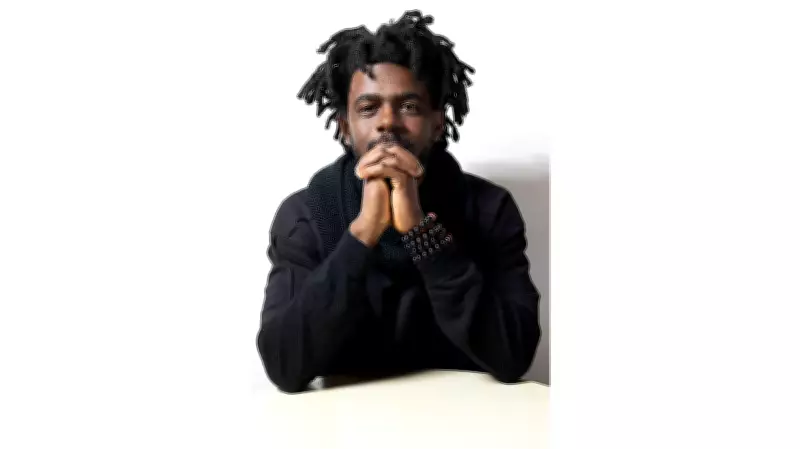
Kachi Benson on 'Mothers of Chibok': A Filmmaker's Journey Through Grief and Resilience
Joel 'Kachi' Benson has dedicated his career to uncovering stories that many would prefer to ignore. From Bakassi to Daughters of Chibok and Madu, his documentaries have expanded the landscape of nonfiction film in Nigeria and internationally. However, it is Mothers of Chibok, his poignant exploration of grief, endurance, and unresolved loss, that remains most personal to him.
Early Life and Path to Filmmaking
Born in Lagos with ancestral ties to Aba, Benson's formative years spanned Enugu, Nbawsi, Aba, and a return to Lagos. These diverse experiences instilled in him a profound understanding of class, struggle, survival, and the quiet dignity of everyday people. His entry into filmmaking was unconventional, as he largely taught himself through observation, practice, and immersion in real-life narratives. This self-directed journey naturally led him to documentary filmmaking, a medium where emotional honesty and lived reality take precedence over spectacle.
Defining Projects and Emotional Impact
Over the years, Benson's films have garnered both critical acclaim and broad reach. Bakassi made history as Nigeria's first virtual reality film, Daughters of Chibok earned the prestigious Venice Lion award, and Madu secured an Emmy. Beyond the accolades, his work is characterized by patience, care, and deep respect for the individuals whose lives he documents. In a recent interview, Benson reflected on his career, the burden of capturing pain, and why Mothers of Chibok stands as one of his most challenging endeavors.

He explained that his approach to storytelling is driven by a desire to reveal truths often overlooked, particularly those that highlight communities marginalized or misunderstood. Benson is drawn to narratives that showcase courage, resilience, and humanity, ensuring that the dignity of his subjects is always preserved. He emphasized that the hardest truths to film involve ongoing grief, where tragedy becomes a permanent condition rather than a single event. These moments, he noted, expose the limitations of the camera in fully conveying such profound emotions.
The Chibok Story: From Headlines to Human Experience
Benson's engagement with the Chibok narrative began in 2018 with Daughters of Chibok, which delved into the grief and emotional toll on families after the abduction of the schoolgirls. Returning to create Mothers of Chibok, he gained a deeper appreciation for the resilience and strength of the women involved. What surprised him most was the coexistence of life and pain behind the headlines, revealing a story not solely defined by tragedy but also by the fortitude required to endure unresolved loss.
Balancing sensitivity with truth in such an emotionally charged and political context required Benson to listen intently and anchor the film in the lived experiences of the mothers. He described the most difficult personal moments as those of intimate helplessness, recognizing that no film could restore what was lost. These encounters, he admitted, linger long after production ends.
Global Recognition and Authentic Storytelling
The international success of Madu introduced Benson to a wider audience, affirming that Nigerian documentary stories can resonate globally without sacrificing their identity. He views recognition not as a personal triumph but as a validation of the importance of these narratives. To make deeply Nigerian stories resonate internationally, Benson focuses on truthfulness and specificity, believing that universal human emotions will naturally connect with audiences worldwide.
Authenticity, for Benson, means representing people with emotional and cultural honesty, avoiding reduction to symbols or stereotypes. He advocates for more documentary filmmaking in Nigeria to capture the country's rich real-life stories, though he acknowledges challenges such as limited funding and support structures. Documentaries, he argues, can reshape global perceptions of Nigeria by showcasing its complexities and humanity beyond headlines.

Challenges and Legacy
Benson dispels the misconception that documentary filmmaking is merely passive recording, highlighting its demands for intention, ethics, and trust-building. Earning trust, especially in sensitive stories, involves respect, transparency, and patience. He identifies gaps in Nigeria's documentary space, including inadequate funding and distribution, but remains optimistic about growing interest and potential.
Ultimately, Benson aspires for his work to leave a legacy of impact, truth, and dignity. He hopes his films will not only matter to viewers and subjects but also pave the way for more African documentary filmmakers to tell bold, human stories on their own terms.